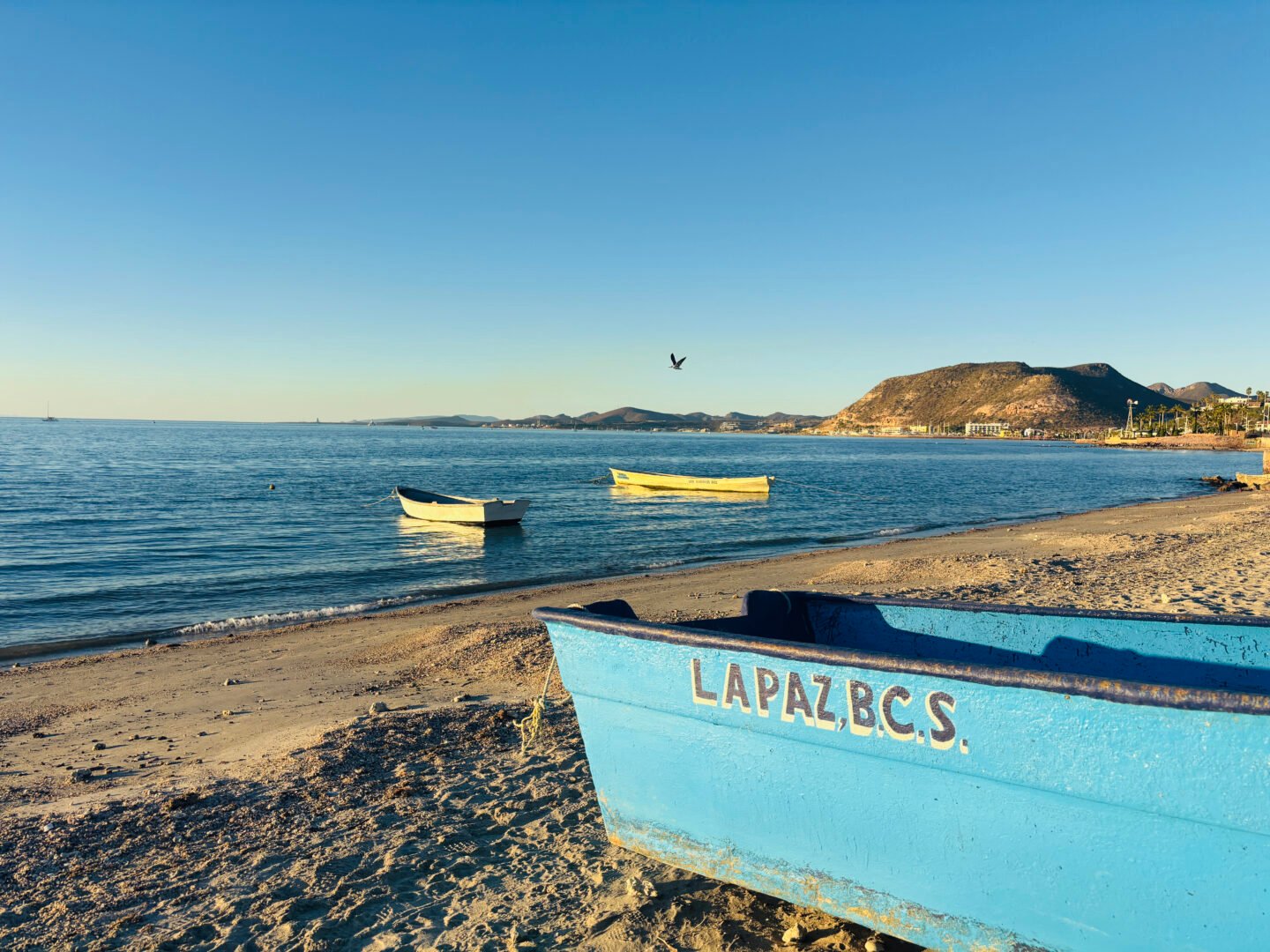
Fishing boats face the Bay of La Paz, where plankton blooms draw migrating whales and whale sharks annually from October to April. (Photo: Robin Esrock)
It took less than 24 hours for La Paz to become my favourite city in Mexico — a realization that came while savouring the glow of another reliable sunset on the Malecon.
A two-hour drive north from the spring break resort hotspot of Cabo San Lucas, we’d left mega resorts, chain stores and aggressive timeshare touts behind for a different experience of Baja California Sur.
Renting a bike to enjoy the sunset along the Malecón of La Paz. (Photo: Robin Esrock)
In La Paz, the state’s resurgent capital on the shores of the Sea of Cortez, the lifestyle sells itself. Cars stop for pedestrians crossing the five-kilometre-long seafront boulevard, lined with restaurants and stores, benches, gardens, marine-themed statues and dedicated running and biking lanes. A chilled margarita blend of locals, expats and tourists imparts a relaxing atmosphere you simply won’t find in the flop-n-drops of Cancun, Puerto Vallarta or Acapulco.
Luxury camping — aka “glamping” — has become a popular travel trend in recent years. But given the number of glamping experiences now on offer, Bryan Jauregui is unsure whether the catchphrase is still useful. Instead, the Louisiana transplant defines glamping as accommodation restricted by its terrain, with no permanent structures, no sewerage, and no access to the grid.
Together with her husband Sergio, Bryan co-founded Todos Santos Eco Adventures to pioneer outdoor adventure in Baja California Sur, curating a wide range of experiences, such as kayaking, hiking, birdwatching, coral gardening, sandboarding, cliff walking, surfing and whale watching, while upping the wow factor at three off-grid camps. This includes their latest endeavour, Camp Cecil de la Bahia, set on sprawling sand dunes overlooking the grey whale mecca of Magdalena Bay.
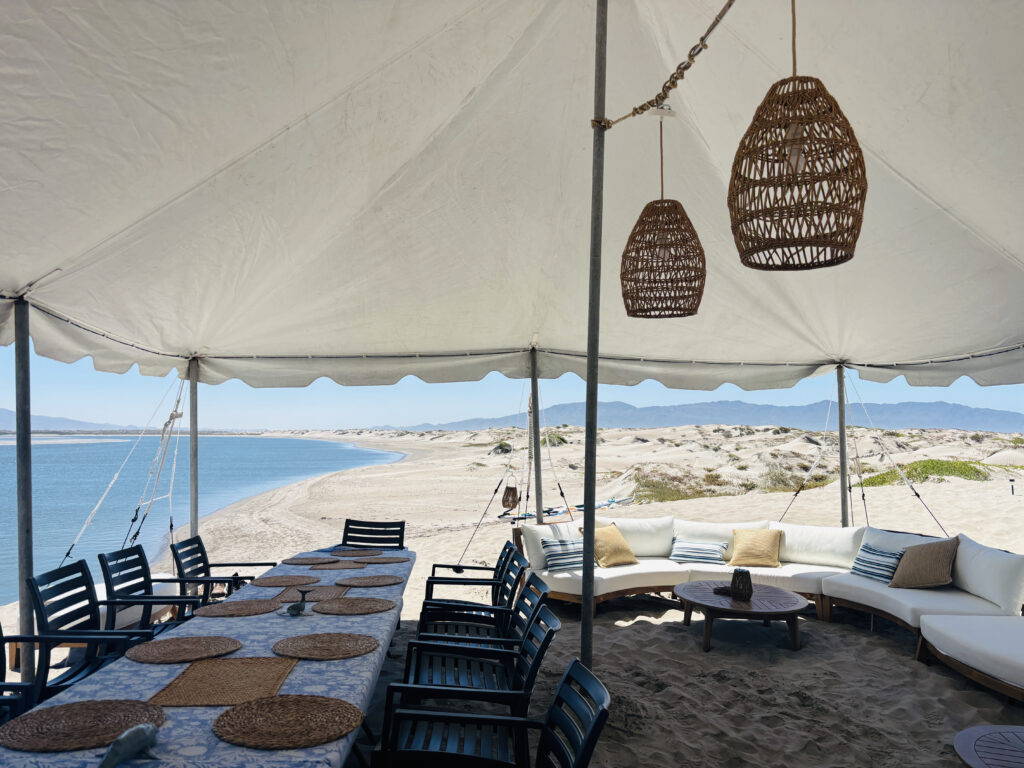
Elegant touches in the safari tents at Camp Cecil de la Bahia. (Photo: Robin Esrock)
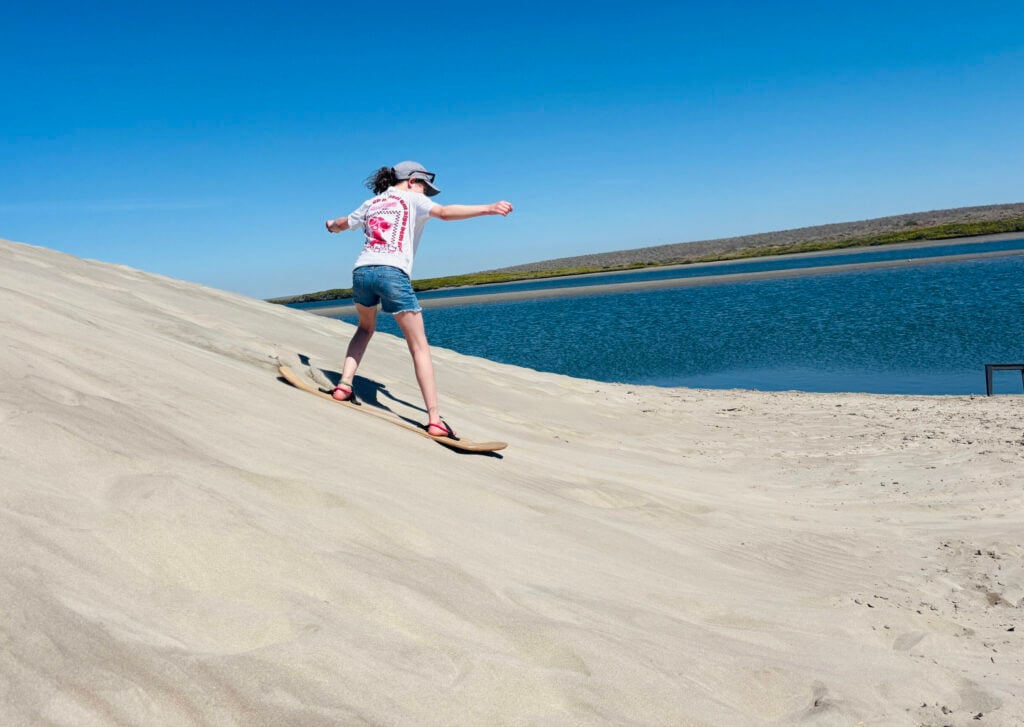
Sandboarding on the dunes at Camp Cecil de la Bahia. (Photo: Robin Esrock)
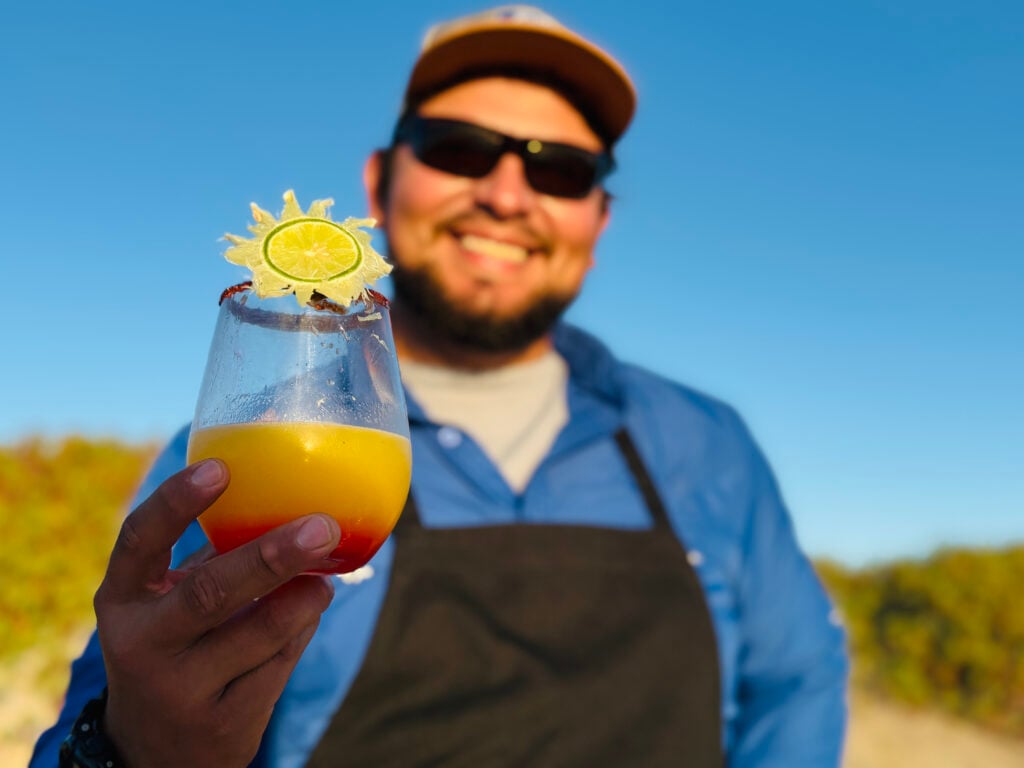
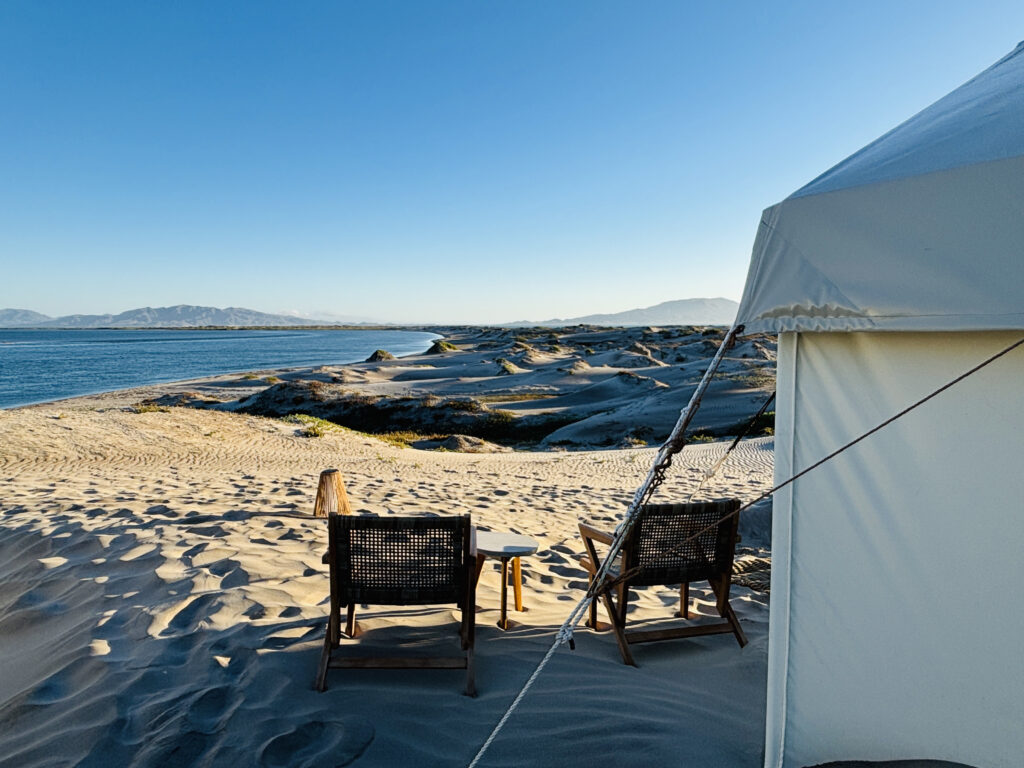
It’s a two-hour-plus drive north from La Paz on bullet-straight Highway 1 before we turn onto the bumpy dirt road to Cancún. Not the resort city of Cancún, 3,500 kilometres away in the Yucatán, but a tiny, namesake wood-shack fishing village primarily occupied by pelicans, cormorants, blue crabs and seagulls. Camp Cecil guests hop on a motorboat for a half-hour ferry to the dunes, where we are greeted by smiling staff, a cocktail, and large safari-style tents with a dazzling view.
A sunset cocktail with smiles at Camp Cecil de la Bahia. (Photo: Robin Esrock)
“Luxury here has always been the nature,” says Bryan, visiting to assess the inaugural season’s success. “To be in a place this beautiful and remote, you typically have to rough it and have serious camping skills. But here, you can bring your kids or your parents, enjoy an experience perhaps just outside your comfort zone, but celebrate at the end of the day with great food and a comfortable bed.”
We’re shown to our gorgeous safari-style tent with thick duvets, plush carpets, elegant décor, and an ensuite bathroom with a foot-pump-operated sink and a compost latrine. Within minutes, my daughter wanders off, and I’m a little worried when I can’t find her. “I was just following coyote footprints to a massive beach beyond the dunes,” is her excuse, warming my heart to see an adventurous apple falling very close to her father’s tree.
Overlooking a lagoon, Camp Cecil de la Bahai is rebuilt on sand dunes from scratch for every season. (Photo: Robin Esrock)
Tents with a view at Camp Cecil de la Bahia. (Photo: Robin Esrock)
After an outstanding lunch of tuna sashimi tostadas and fresh guacamole, my daughter investigates bones and shells, triggers avalanches in the soft dunes, conquers the sandboards, and makes friends with a nine-year-old girl visiting with her family from Guadalajara. We paddle out in sea kayaks to explore nearby mangroves and sandbars, watching turtles breach as pelicans and osprey dive bomb for fish.
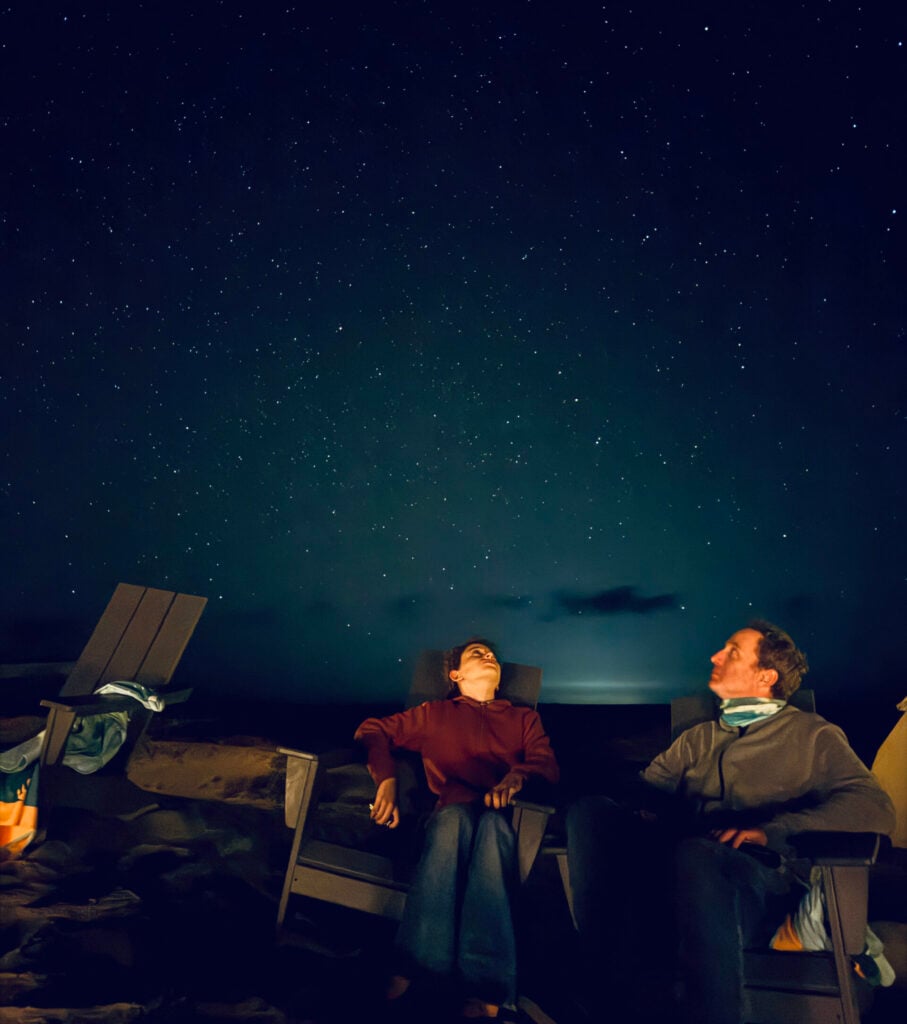
Epic stargazing on top of the dunes at Camp Cecil de la Bahia. (Photo courtesy Quetzalli Gallo Campos)
Returning to camp, we gather for cocktails on the beach and one of those epic sunsets that never sets in your memory. A locally caught lobster dinner, sourced from another fishing village, is followed by sensational stargazing, enthusiastically led by Sergio, who draws on his deep knowledge of myth and story. The girls dip their toes in the dark waters of the lagoon and gasp at shimmering bioluminescence mirroring the stars above. You remember days like this for a lifetime.
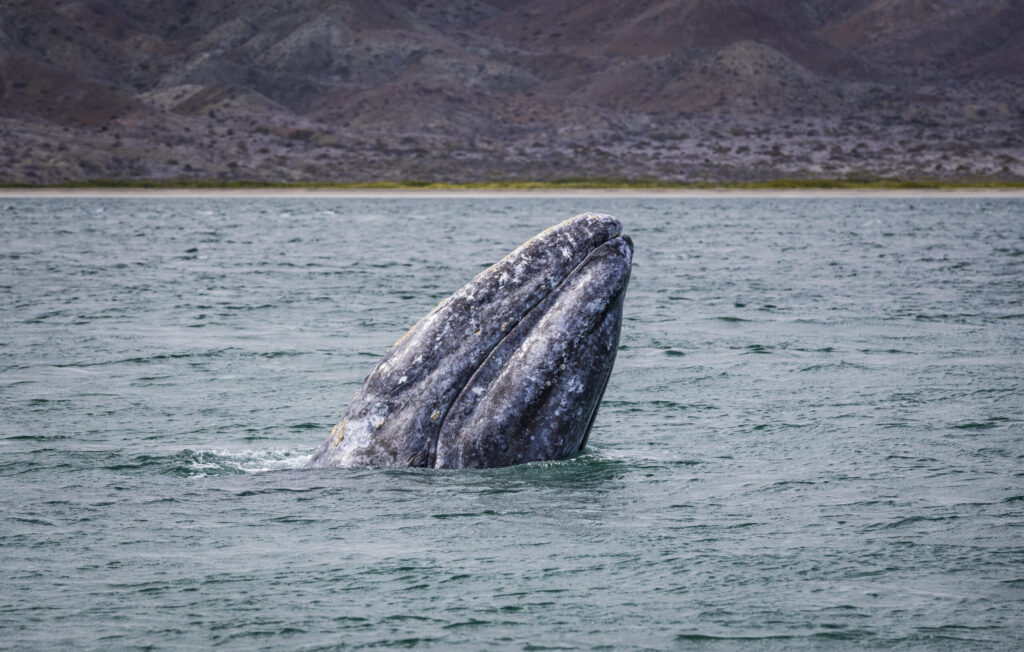
That Camp Cecil delights a nature lover’s imagination is no accident. The Cecil in question is Cecil Kramer, an Emmy Award-winning animation producer with credits that include Wallace & Gromit and Shrek. A close family friend of the Jaureguis, Cecil takes on each glamping site as a passion project, designing the interiors, layout, and ensuring an overall sense of wonder for all ages. Close encounters with a curious, spy-hopping grey whale in Magdalena Bay is the camp’s major draw, which is why the season runs January to March.
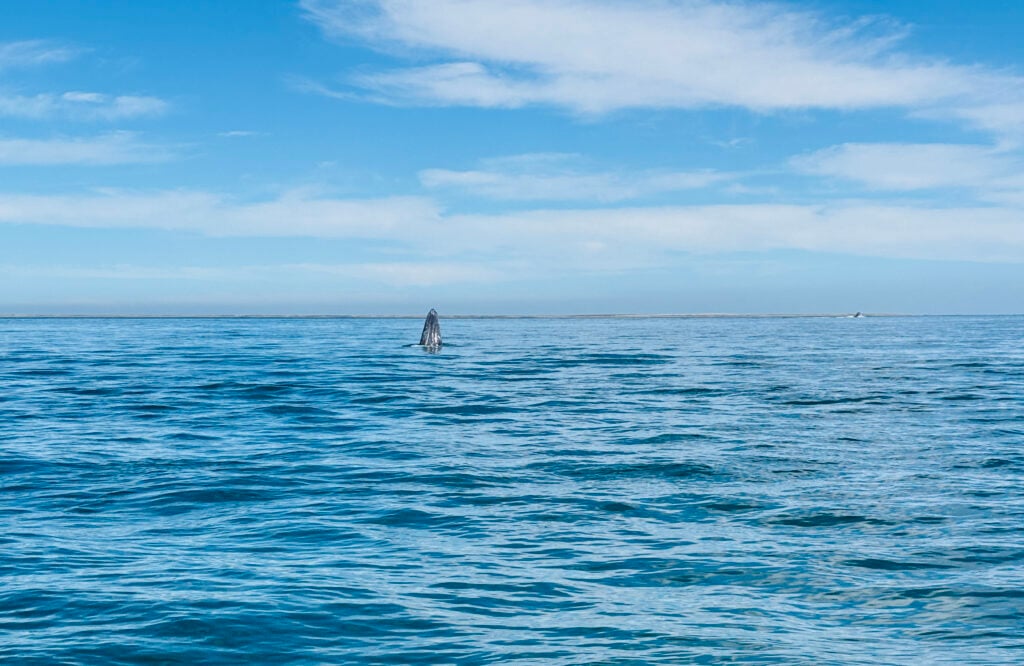
A spyhopping grey whale fattens up before the long migration north. (Photo: Robin Esrock)
We spot the last few grey whales in the bay before they begin their great migration to their northern feeding grounds, undertaking one of the longest migrations of any mammal on the planet. It will take a week or two for Bryan’s team to strike camp, after which all signs of its existence will dissipate like fine sand in the onshore breeze. At least until next season, when the shifting dunes will host a new version of Camp Cecil de la Bahia. I implore Bryan and Sergio to extend next year’s season for us Canadian spring breakers. Whales or no whales, being comfortably immersed in this kind of remote coastal beauty is one for the bucket list.
How a guide exchange is deepening perspective, connection, and conservation from Namibia to Baja.
It started as a “what if” conversation—what if a guide from the Namib Desert could spend time in Baja’s marine world, and vice versa? What could they learn, not just about wildlife, but about people, place, and perspective?
That idea, first imagined by Bryan Jaurequi, has since taken on a life of its own within the Kusini Collection. Guide exchanges between Todos Santos Eco Adventures, Ultimate Safaris in Namibia, Imvelo Safari Lodges in Zimbabwe, and beyond have created meaningful connections across continents—rooted in shared values of conservation, culture, and community.
In the following article, published in the Namibia Economist, Peter Nuugonya reflects on his time in Baja, offering a perspective that feels both deeply personal and universally familiar: the awe of seeing a place—and your own work—through entirely new eyes. //
Ultimate guide Nuugonya splashed out by immersive experience in Mexican marine tourism
Ultimate Safaris’ best guide, Peter Nuugonya has just returned from Mexico after a three-week sojourn where he rubbed shoulders with the guides working for Todos Santos Eco Adventures.
Hailing from Ondangwa, Peter’s career in tourism started as a barman at the Sossusvlei Desert Lodge but it was here that he realised he enjoyed the outdoors far more than the bar counter. This is when he joined Ultimate Safaris where his childhood bush knowledge qualified him to take visitors on informative excursions. Last year, he won the company’s “Ultimate Guide of the Year” award with the main prize a sponsored trip to Mexico.
Ultimate Safaris Managing Director, Tristan Cowley, said “the guide exchange is a learning experience and a great opportunity for interaction between people on different sides of the world who may have differinnt geographies, wildlife and weather but who share the same dedication to conservation and community.”
Peter said his journey from the Namibian desert to Mexico’s vibrant marine ecosystems was nothing short of transformative. From snorkelling and scuba diving to whale watching and cooking classes, he embraced new experiences — both professionally and personally. This being his first major international travel, he shared that ending up on the other side of the world and being hosted by amazing people, helped him understand how Ultimate Safaris’ guests must feel, saying “it was a humbling and once in a lifetime experience.”
While the cultural experience in meeting locals was the highlight of his journey and something that reminded him how important local culture and cuisine are to any traveller, his ‘mind blowing’ encounter with whales and other marine life made him realise why people travel across the world, and that similar experiences are why visitors come to Namibia.
Later this year, a Mexican guide will travel to Namibia for the next chapter of this growing partnership between Ultimate Safaris and Todos Santos Eco Adventures which represents a model for global collaboration in eco-tourism.
Lidia bulls are running wild in the mountains of Baja California Sur – at least those who can outrun Don Catarino Rosas Espinosa. Lidia bulls, also known as Spanish Fighting Bulls, are a distinctive breed of cattle from the Iberian Peninsula that are known for their aggressiveness, strength and stamina. They have nothing on Don Cata.
The Lidia bulls burst onto the Sierra La Laguna fauna scene in 1986 when a Miraflores rancher named Collins grew older and moved away, freeing his milk cows and bulls of different breeds to roam, including the Lidia bulls. In 1989 Don Cata, then 36 years old, struck a deal with the Collins descendants to round up as many of the bulls as possible in exchange for 35% of the proceeds when they were sold. His bull hunting career was launched.
“I hunted the bulls from my 30s through my 50s” recalls Don Cata, who still hunts feral pigs today at the age of 72. “Most of the bulls we encountered over the years were totally wild and had never seen humans before.” Don Cata had a remarkable methodology for hunting the bulls. “I always had two dogs, a Pitbull and a German Shepherd. I would look for the footprint of the bull, then send the dogs to run after it. I would run right behind them on foot as there was no way that horses or mules could navigate that terrain. Usually after the first 6 or 7 kilometers the dogs and I would catch up with the bull then he would run again. Usually after the third run – which sometimes meant a total 15 kilometers of terrain covered – the bull would finally tire and lean against a tree.”
Don Cata not only ran after the bull and the dogs, but did so while wearing two lengths of rope across his chest (“I looked like Pancho Villa”) and one around his waist. Once the bull finally tired and was resting against a tree, Don Cata would lasso its horns and tie its head to the tree with one rope, then use another rope to lasso a hind leg and tie it to another tree such that the rope would tighten when the bull struggled. He would then use the third rope to lasso the bull’s front legs. That third lasso would bring the bull down and Don Cata would then tie up the final hind leg. So far so good.
But Don Cata, who is all of 72 kilograms / 158 pounds, now has a seriously angry, 600 kilo / 1,300 pound animal – whose breed is notorious for its aggressiveness – tied up in rugged mountain terrain while traveling on foot. He only gets paid when he delivers the bull alive several thousand feet below. Sheer physicality, stamina and mad cowboy skills have gotten him this far. Now it’s time to out psych the bull. “The bulls were so angry that they usually needed about 90 minutes to calm down” recalls Don Cata, “so the dogs and I would wait downwind while they quieted. Then I would go back, release one of the legs and tie a stick to the foreleg such that it stopped the bull from running. I would then leave again and let the bull get used to the stick. Then the next time the bull saw me he would be very tired and very afraid of me, so I could release all the ropes. If he lunged for me I could parry him away with a stick that I used like a lance. In this way I could get a bull down the mountain in 2-3 days.”
Don Cata created a type of corral where he would collect 18 to 20 bulls, put bells on them, then get them to the road where a truck would pick them up, weigh them and deliver them to the Collins family. “I got over 600 bulls like this” recalls Dona Cata. In a masterful piece of understatement about his running skills Don Cata notes, “I was fast.”
The bulls scored some points as well. “Once I was tying a bull’s head to a tree and trying to do it quickly because the bull had already closed its eyes in anticipation of hitting me. I was moving fast and slipped. My rope was round the bull’s head so when I went down the whole 600 kilo body of the bull came down on top of me. It really messed up my knee.” A local rancher patched him up and suggested he put his bull hunting days behind him. “I didn’t listen. 3 days later I was running after the bulls again.” (His knee remains a little wonky looking to this day.) And one bull did succeed in head-butting him. Luckily the horn just grazed his skull but the force caused the fur of the bull’s head to burn his ear.
As he moved into his 50s Don Cata took on another feral animal – pigs. “When I was a child ranchers used to raise a lot of pigs, not to sell, just to eat. When the hurricanes hit the pigs would head to the hills to eat all the acorns, pine nuts etc that had been blown off the trees, then head back home.”
Then in 1997 a major hurricane hit off the coast of Los Cabos and it rained for 3 days straight. This created an enormous bounty of food and water for the pigs so in the ensuing years their population exploded. “There were so many pigs that they were eating all the grass in the valley of the mountain and really damaging the ecosystem” recalls Don Cata. The Sierra La Laguna Biosphere Reserve park authorities decided that some of the pigs needed to be eradicated so they contracted Don Cata for the job. “Thankfully the pigs prefer terrain that is accessible by horse and mule” the older Don Cata laughingly notes.
While pig hunting requires less stamina than bull hunting, it is infinitely more dangerous. The pigs have long, sharp tusks and are extremely strong. To catch them, Don Cata sends his dog to track a pig and grab it by the ear. Don Cata then gets off his horse, picks the pig up by its hind leg, and shoots it. While many ranchers use knives for the kill, Don Cata hunts with CIBNOR, the Centro de Investigaciones Biológicas del Noroeste S.C., and they want to weigh and measure the pigs without the blood loss that accompanies a knife wound. CIBNOR takes samples of each pig’s organs to make sure the pig is healthy enough to be eaten. Says Don Cata, “I usually hunt for 4 days and come down with 80 to 100 kilos of meat to sell.” Don Cata reckons he’s caught over 1,000 pigs.
Pig hunting is intimate business and Don Cata has far more scars from pigs than bulls. It is therefore perhaps not surprising to learn that while Don Cata is famous for his hunting skills, he is legendary for his healing skills, and people come from all across the state to seek his help.
Don Cata is the patriarch of the Rosas family and preserving the ranchero way of life is a key family goal at their beautiful Rancho Ecológico el Refugio in the Sierra mountains. Don Cata himself embodies the ranchero ideal, with both the strength and skill to confront wild forces and the wisdom and talent to restore health and balance in his community. He manifests a profound connection with nature. He is a hunter-healer.
The Mission is Simple: Empower Guides, foster cross-cultural conservation practices, and celebrate world ecosystems.
Todos Santos Eco Adventures is a proud member of the Kusini Collection, a hand-picked portfolio of sustainable, owner/founder-operated camps, lodges and tour operators in Africa, Asia and the Americas. Some years ago we presented the idea of a guide exchange program with the other members. We’re extremely thrilled to share that it is a complete success and continues to grow and enrich the lives of not only our guides but all of us! A recent exchange just took place with Ultimate Safaris from Namibia and they have shared the following.
“As a leader in conservation-based luxury travel in Namibia, we have once again demonstrated our commitment to people and the planet with our third consecutive international guide exchange, investing over N$ 300,000 into the initiative since its inception.
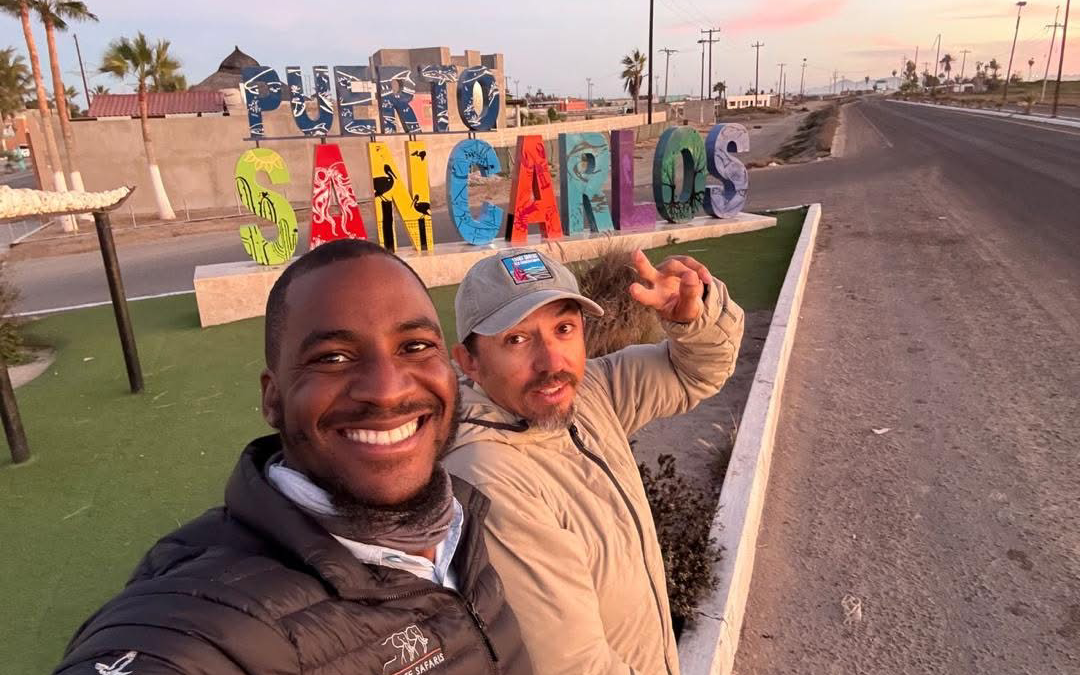
This year, Jason Nengola, Ultimate Safaris’ 2024 Ultimate Guide of the Year, travelled to Baja California, Mexico, for a three-week immersion experience with Todos Santos Eco Adventures. The exchange underscores a shared mission between the two companies: to empower guides, foster cross-cultural conservation practices, and celebrate the ecosystems they passionately protect.
“The guide swap initiative is a great opportunity for interaction and learning between people on different sides of the world who may have differing geographies, wildlife, and weather—but who share the same dedication to conservation and community,” said Tristan Cowley, Co-founder and Managing Director of Ultimate Safaris.
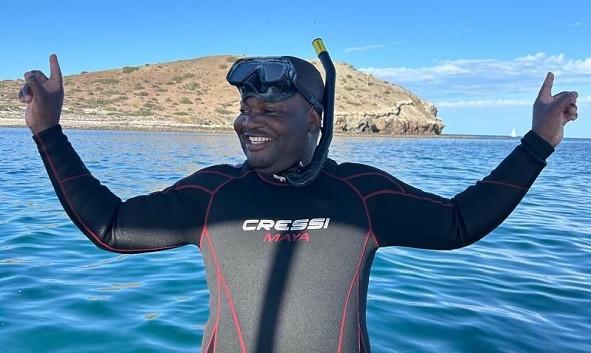
Jason’s journey from Namibia’s vast deserts to Mexico’s vibrant marine ecosystems was nothing short of transformative. From snorkeling and scuba diving to whale watching and leather-making from cactus, Jason embraced new perspectives—both professionally and personally.
“Imagine Damaraland with an ocean,” Jason remarked. “Being a guest, not a guide, helped me understand how our guests must feel. It was a humbling and eye-opening experience.”
He encountered four species of whales—Blue, Humpback, Fin, and Grey—an awe-inspiring highlight that shifted his perspective on control, nature, and the role of a guide. In addition to nature-based activities, the exchange allowed Jason to explore Mexico’s strong connection to its local culture and cuisine—an experience that left a lasting impression.
“In Namibia, we have so many rich cultures and traditions to share,” he said. “The food in Mexico inspired me to think about how we can better incorporate Namibian cuisine into our guest experiences.”
Jason also reconnected with Axel Herrera, a Todos Santos guide who had previously visited Namibia through the same exchange program—reinforcing the mutual value and long-term relationships fostered by this initiative.
Later this year, a Mexican guide will travel to Namibia for the next chapter of this growing partnership, continuing the spirit of knowledge-sharing, cultural appreciation, and environmental stewardship.
The Ultimate Safaris and Todos Santos Eco Adventures guide exchange initiative represents a model for global collaboration in eco-tourism—building not only better guides, but stronger bridges between continents, cultures, and conservation efforts.”
Recently REMOTE LA placed a spotlight on the efforts of select partners, who are demonstrating that Latin America and the Caribbean are not just embracing sustainable and regenerative tourism—they are shaping a resilient future. Through carbon offset and capture programs, conservation initiatives, responsible business practices and bold climate action plans, these companies are proving that tourism can—and must—be a force for good. Their work reassures us that conscious international travelers can continue to visit Latin America while actively contributing to the well-being of its destinations.
We proudly share what they had to say about us:
Todos Santos Eco Adventures (TOSEA) is at the forefront of responsible tourism in Baja California Sur, Mexico, integrating sustainability into every aspect of its operations. As a member of the Global Sustainable Tourism Council (GSTC) and a signatory of the Future of Tourism Coalition, TOSEA spearheads initiatives that drive conservation and sustainability in the region. One of its most ambitious projects is supporting the Alianza Cero Basura, which works to establish Mexico’s first Zero Waste destination in Todos Santos and El Pescadero, setting a groundbreaking precedent for responsible tourism.
TOSEA is also taking decisive action against climate change through its partnership with Tomorrow’s Air, significantly increasing its contributions to carbon capture, having successfully removed and stored three tons of CO₂ so far. Their holistic approach to sustainability extends beyond waste reduction and emissions mitigation. TOSEA is deeply involved in conservation efforts and embedding regenerative principles into its tourism model, demonstrating that sustainability is not just about minimizing harm; it’s about fostering a thriving future for both local communities and the environment.







 Don Cata created a type of corral where he would collect 18 to 20 bulls, put bells on them, then get them to the road where a truck would pick them up, weigh them and deliver them to the Collins family. “I got over 600 bulls like this” recalls Dona Cata. In a masterful piece of understatement about his running skills Don Cata notes, “I was fast.”
 Then in 1997 a major hurricane hit off the coast of Los Cabos and it rained for 3 days straight. This created an enormous bounty of food and water for the pigs so in the ensuing years their population exploded. “There were so many pigs that they were eating all the grass in the valley of the mountain and really damaging the ecosystem” recalls Don Cata. The Sierra La Laguna Biosphere Reserve park authorities decided that some of the pigs needed to be eradicated so they contracted Don Cata for the job. “Thankfully the pigs prefer terrain that is accessible by horse and mule” the older Don Cata laughingly notes.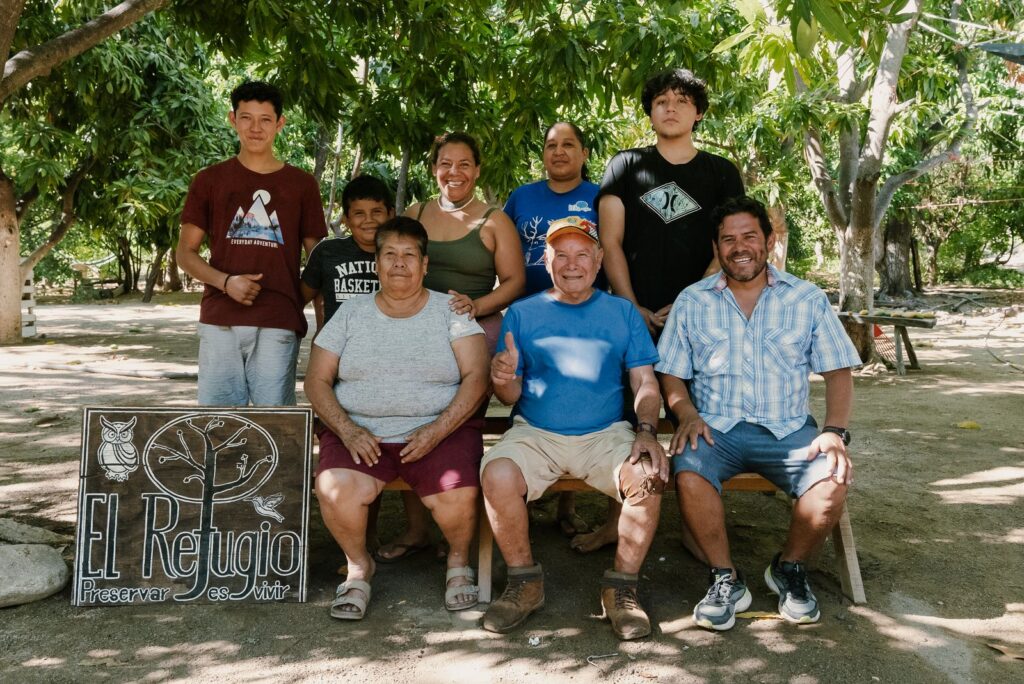
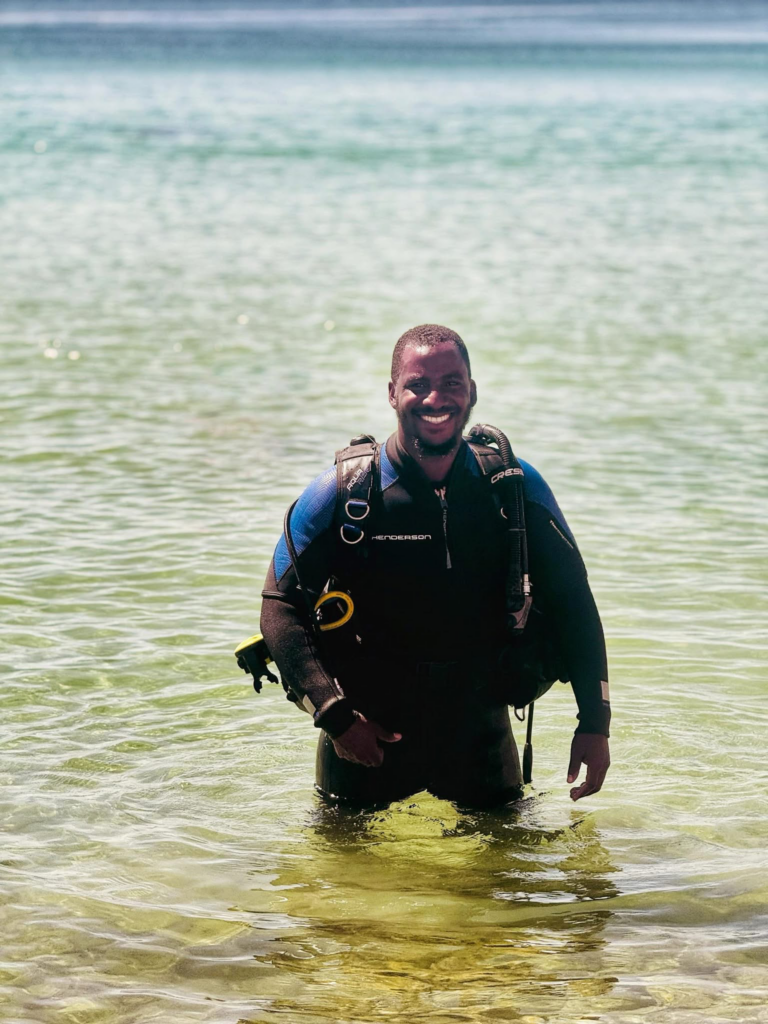 This year, Jason Nengola, Ultimate Safaris’ 2024 Ultimate Guide of the Year, travelled to Baja California, Mexico, for a three-week immersion experience with Todos Santos Eco Adventures. The exchange underscores a shared mission between the two companies: to empower guides, foster cross-cultural conservation practices, and celebrate the ecosystems they passionately protect.
