
























Traveling off the tourist trail in Mexico isn’t simply about dodging the crowds. It’s about the thrill of a colectivo ride through forested landscapes and the awe of stumbling upon a secluded beach where yours are the only footprints.
Many travelers know the cabana-laden beaches of Cancun and the galleries and rooftop scene of San Miguel de Allende. But if you’re ready to trade your resort wristband for a pair of hiking boots or a plate of something you’ve never heard of, lesser-known small towns and quiet islands are calling.

Photo by Newtonian/Shutterstock
1. Find magic beyond the usual suspects
Mexico’s 177 Pueblos Mágicos (Magical Towns) are villages that the government deems particularly charming. While many (like Todos Santos) call their fair share of influencers, not all of them are tourist-packed Instagram traps. Take Calvillo, Aguascalientes, in central Mexico: This guava-scented haven, one of the world’s biggest producers of tropical fruit, is a far cry from the likes of Sayulita. Here, the streets are quieter, the guava candy is abundant, and the town is at the doorstep to the Sierra Fría, known for hiking trails and waterfalls.
If you’re a fan of history and architecture, head to Ahuacatlán or Amatlán de Cañas in western Mexico, both of which offer a peek into the country’s colonial past. The Jesús Nazareno church in Amatlán de Cañas dates back to the 18th century.
2. Embrace the mercado scene
Mexico’s markets are sensory overload in the best way—rows of stalls selling freshly made tortillas, sizzling tacos al pastor, and unrecognizable fruits you’ll want to check out. In lesser-visited towns, markets are a cultural exchange, where you can chat with vendors and maybe learn the secret to their abuela’s mole recipe.
“Mexico City‘s food markets are truly the heartbeat of the city’s culinary and cultural experience,” sayes Karla Tovar, a team member at Bikes and Munchies, a cycling and food tour company based in Mexico City. “Exploring them is one of the best ways to dive into the local food scene and understand the traditions that shape Mexican cuisine.”
While in Mexico City, she recommends hitting up markets like Mercado San Juan for gourmet and exotic food lovers, Mercado de Coyoacan for traditional Mexican snacks, or the Mercado de Jamaica for fresh flowers and traditional food like tlacoyos, which are stuffed corn masa cakes.
Oaxaca‘s Mercado 20 de November is another such dizzying display. Overflowing burlap sacks of multi-colored spices sit next to barrels of dried chilies, while the smell of achiote wafts through the air. Wander the aisles to uncover everything from crispy tlayudas (charcoal-grilled tortillas topped with meat, beans, and vegetables) to roasted grasshoppers.
Over in the central city of Puebla, visit the Mercado de Sabores and pick up a plump, overstuffed cemita, a thick sandwich filled with meat, avocado, cheese, and chipotle.

Photo by astudio/Shutterstock
3. Public transport is your best friend
Think Mexico is all about flights and rental cars? Think again. Try hopping on a bus or a colectivo (a small, shared van), where you’ll ride with locals and, sometimes, a badly dubbed action movie playing on repeat, depending on the length of the trip. Plus, you may meet other travelers and dust off your Spanish with locals.
Buses and colectivos, with their many stops connecting remote parts of the country, make it easier to get to more hard-to-reach destinations. In Yucatan, for example, colectivos can take you from bustling Merida to the white-sand beaches of Celestun and other towns along the Gulf Coast.

Photo by Just Another Photographer/Shutterstock
4. Celebrate like a local
While Cancun has its foam parties, smaller towns throw celebrations that are both intimate and electrifying. Whether it’s the Festival de Calaveras (end of October/early November) in Aguascalientes or the Guelaguetza Indigenous culture celebration festival in Oaxaca (July), you’ll find music, dancing, and food that outshines any resort buffet.
The Fiesta de la Candelaria in Tlacotalpan, a town by the Gulf of Mexico, blends Spanish and Afro-Cuban influences. Son jarocho music, a local guitar folk music fusing Spanish, Indigenous, and African culture, fills the air in early February as residents dress in vibrant red costumes.
And definitely don’t skip the quirkier festivals. How about the Noche de Rábanos (Night of the Radishes), when people create works of art out of the vegetable, in Oaxaca? Or a gathering of healers and shamans in Catemaco, Veracruz, for La Noche de Brujas (Night of the Witches)?
5. Dive into nature
“While much better known for its rich history and culture, Mexico is one of the most biodiverse countries in the world and offers world-class wildlife, nature, and adventure opportunities for even the most well traveled,” says Zach Rabinor, CEO of travel agency Journey Mexico.
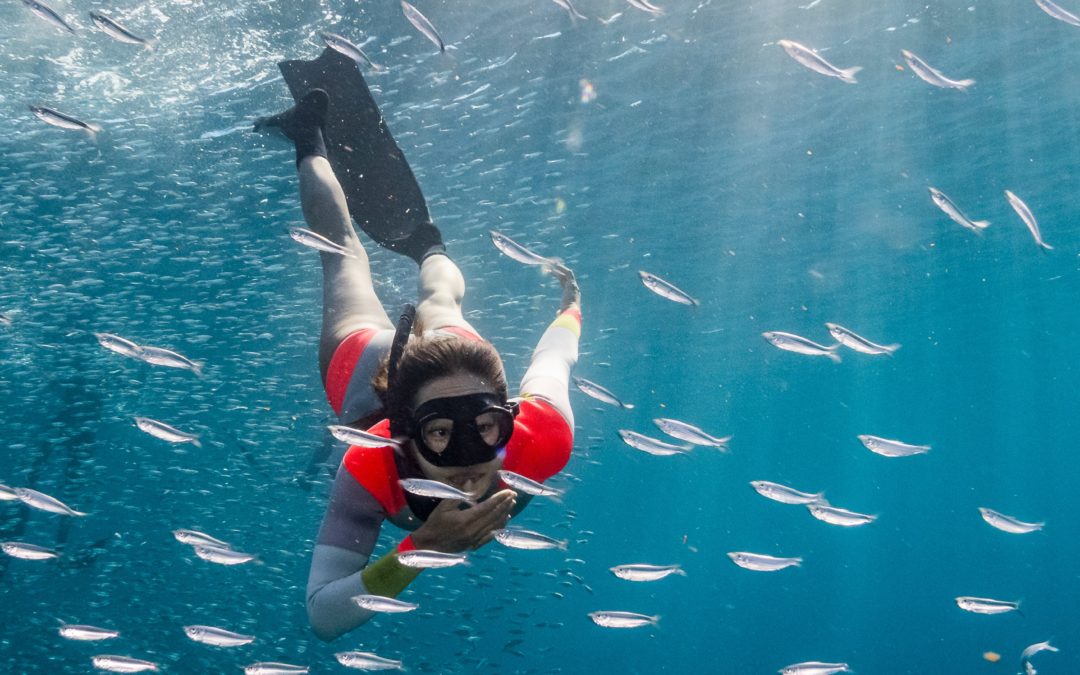
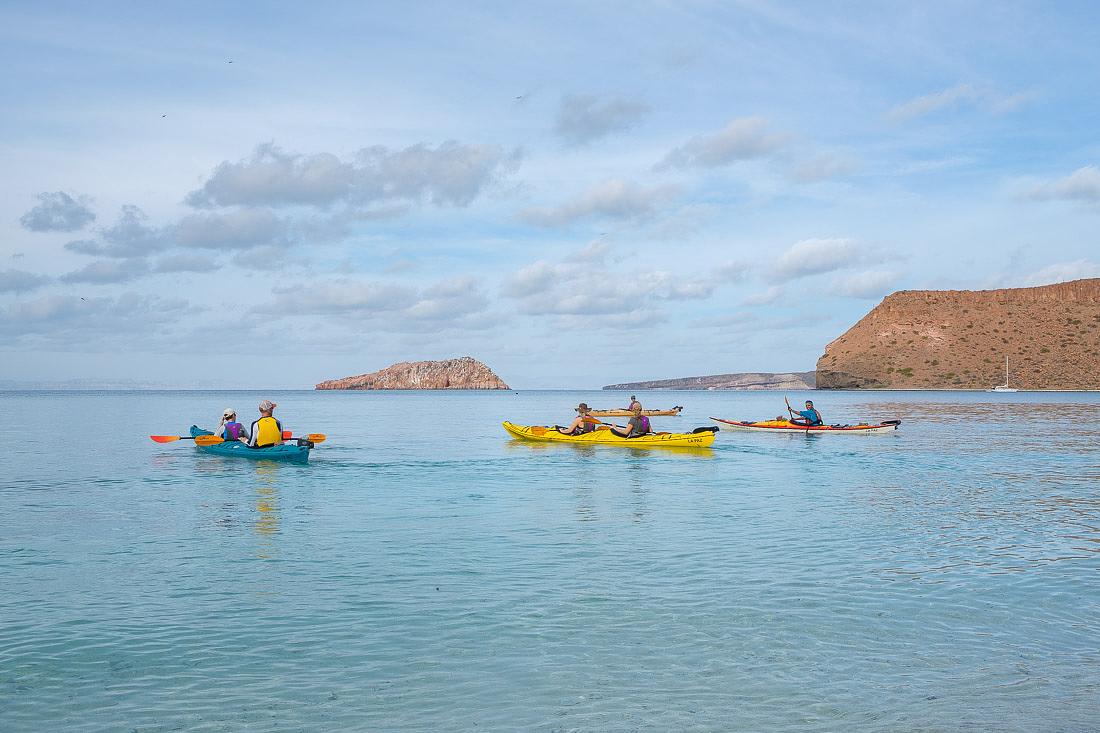
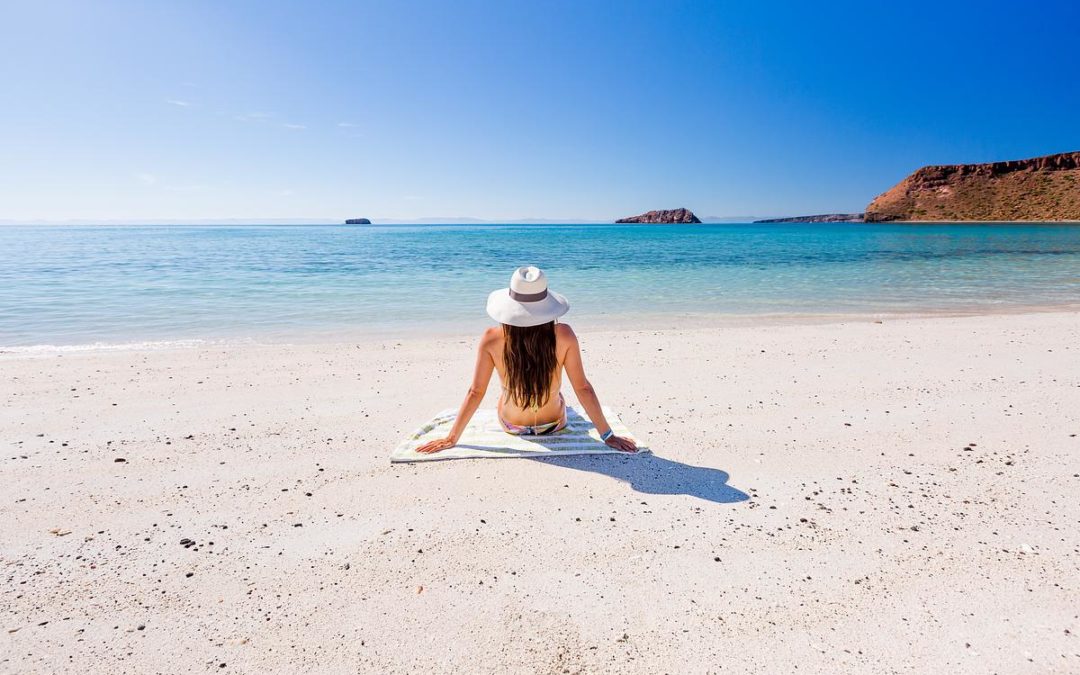
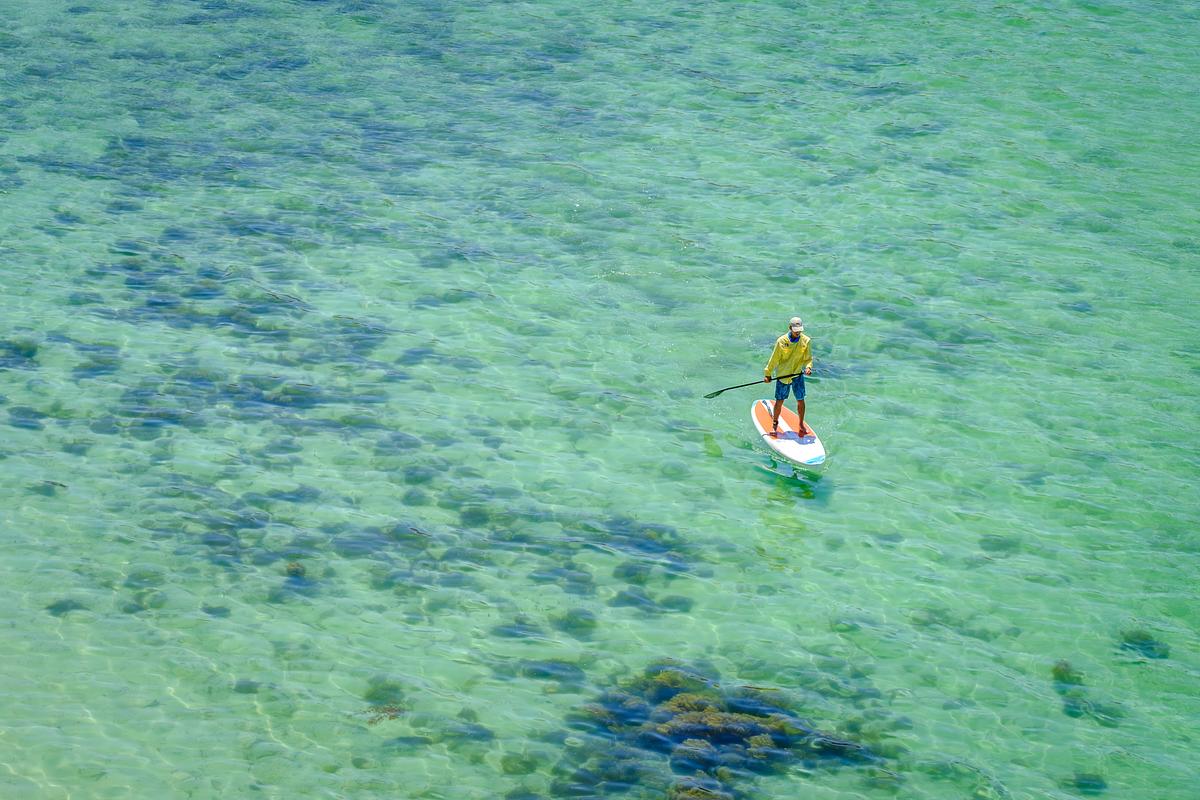
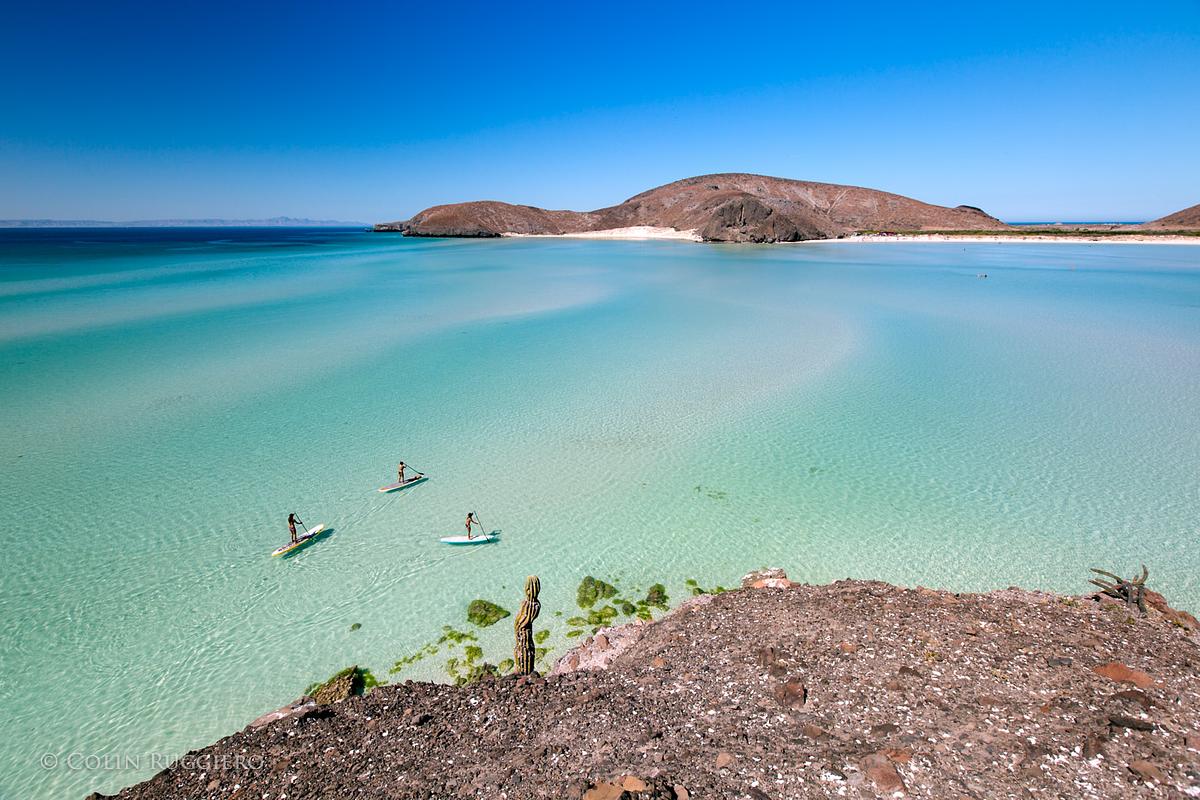
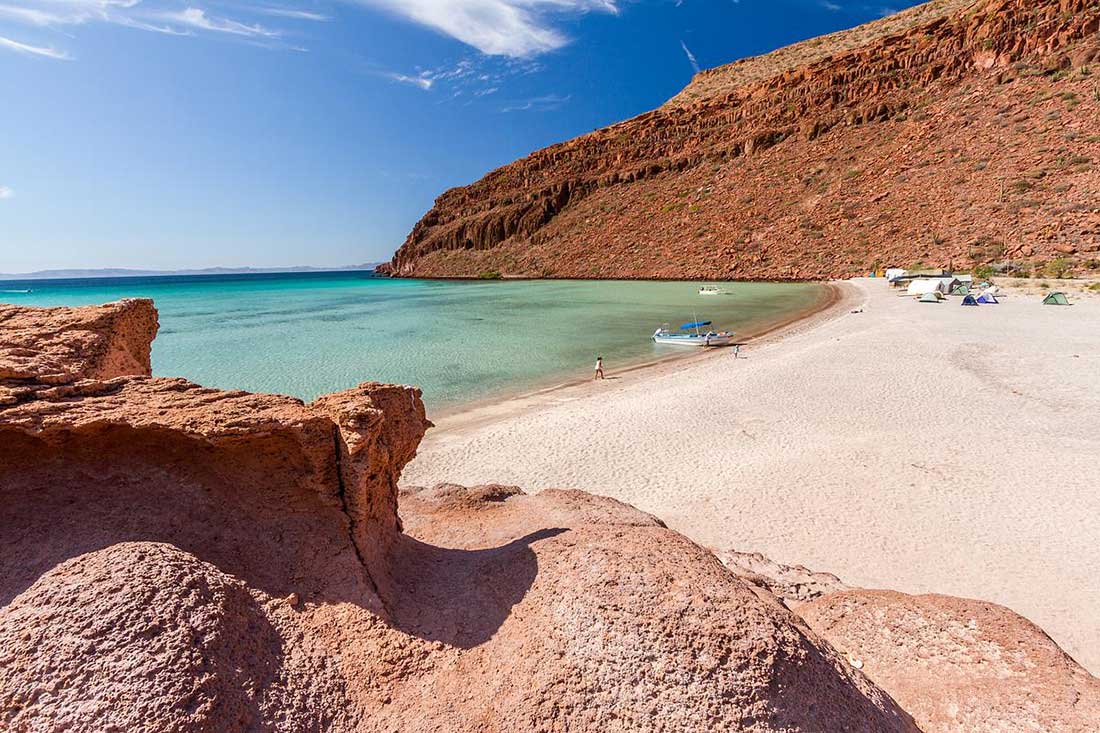
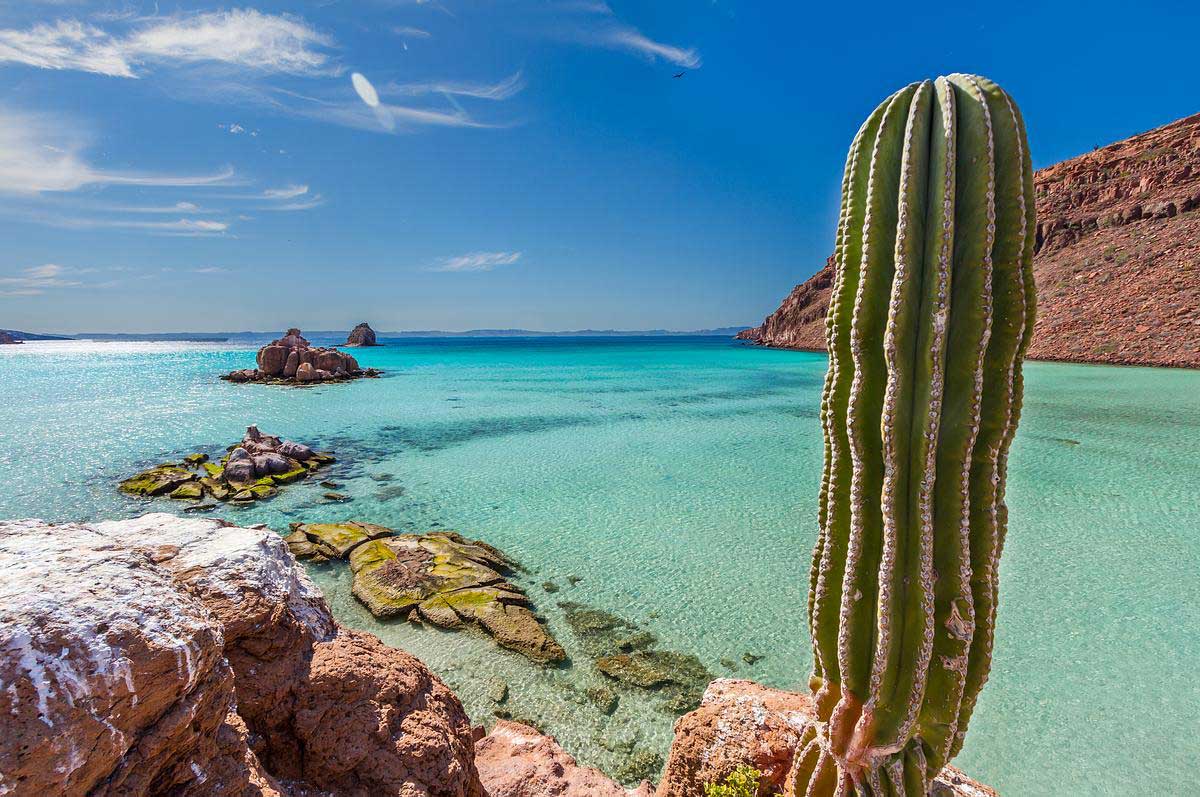
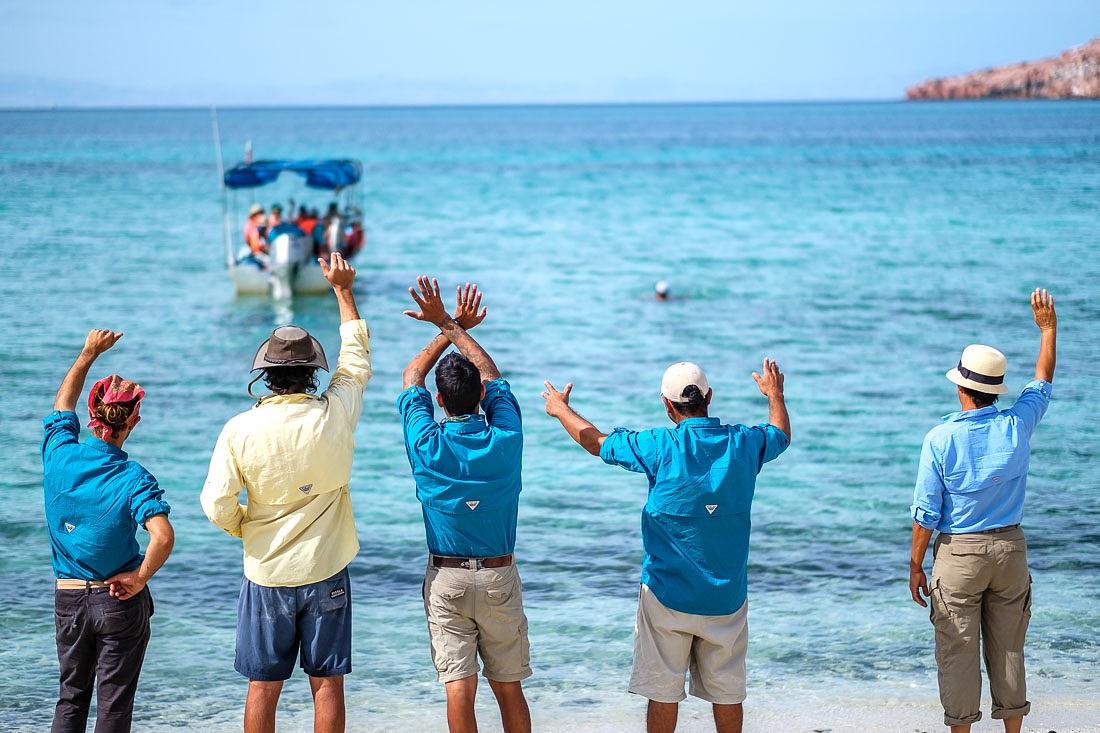
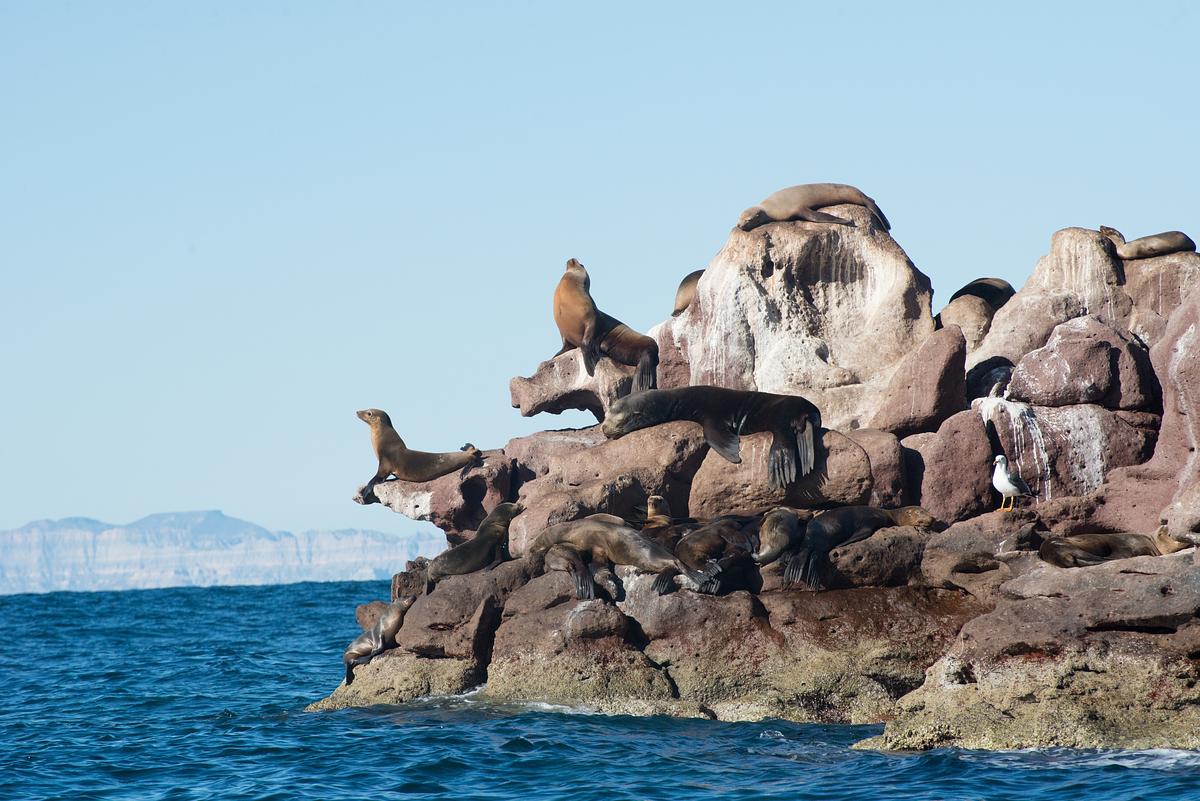
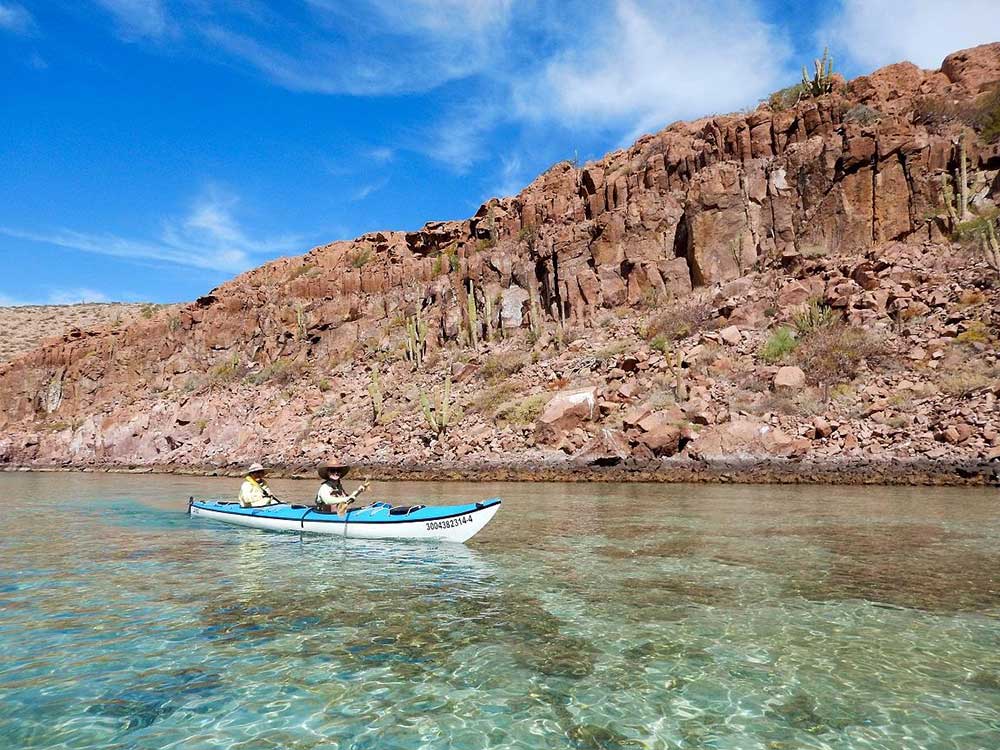
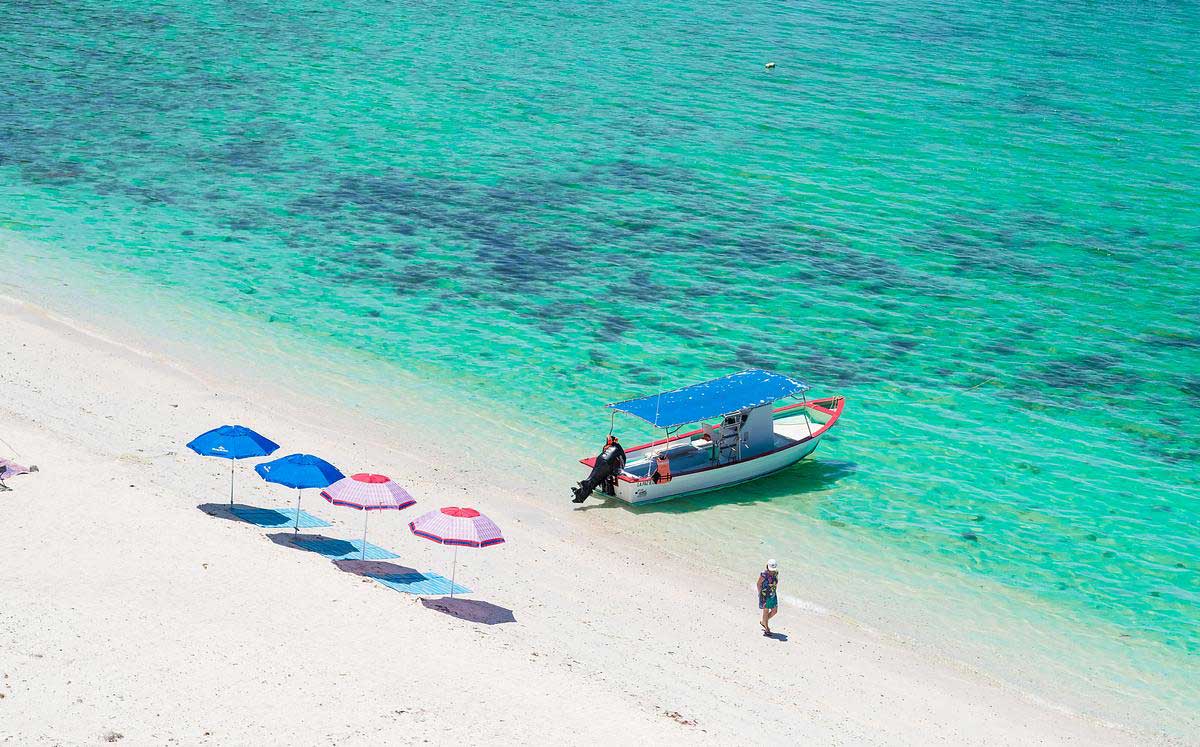
Start with Espíritu Santo, a UNESCO-protected island off the coast of La Paz. Here, turquoise waters meet pink sandstone cliffs, and the sea lions are always ready for a swim. Authorized tours like On Board Baja will take you sailing around the island, hiking along its rugged trails, and picnicking on its remote beaches.
For an off-grid experience, Islas Marías is your next stop. Once a penal colony, this cluster of islands opened for tourism in 2024 offers a glimpse into dozens of endemic species. Because the islands are located 60 miles off the Pacific Coast of Nayarit, the only way to get there is by ferry. You can depart from either Mazatlan or San Blas and, currently, all visitors must be part of a three-day, two-night package that includes a tour guide and accommodations.
And let’s not forget the parks and preserves: Las Pozas in Xilitla is full of waterfalls and jungle paths, while El Vizcaíno Biosphere Reserve in Baja California Sur offers whale-watching and desert landscapes that are awe inspiring. (Baja Ecotours specializes in whale-watching tours in the biosphere.)
6. Reconsider the resort
Ditch the cookie-cutter resorts and check into boutique hotels and haciendas in small towns. They’re not only more intimate but also steeped in the area’s culture. Take the Hacienda el Carmen Hotel & Spa, which occupies a 17th-century structure less than 50 miles from Guadalajara. Inside the ochre-and-brick facade, guests can dine alfresco to the sounds of classical guitar, while a small spa and stables set the scene for on-site activities.
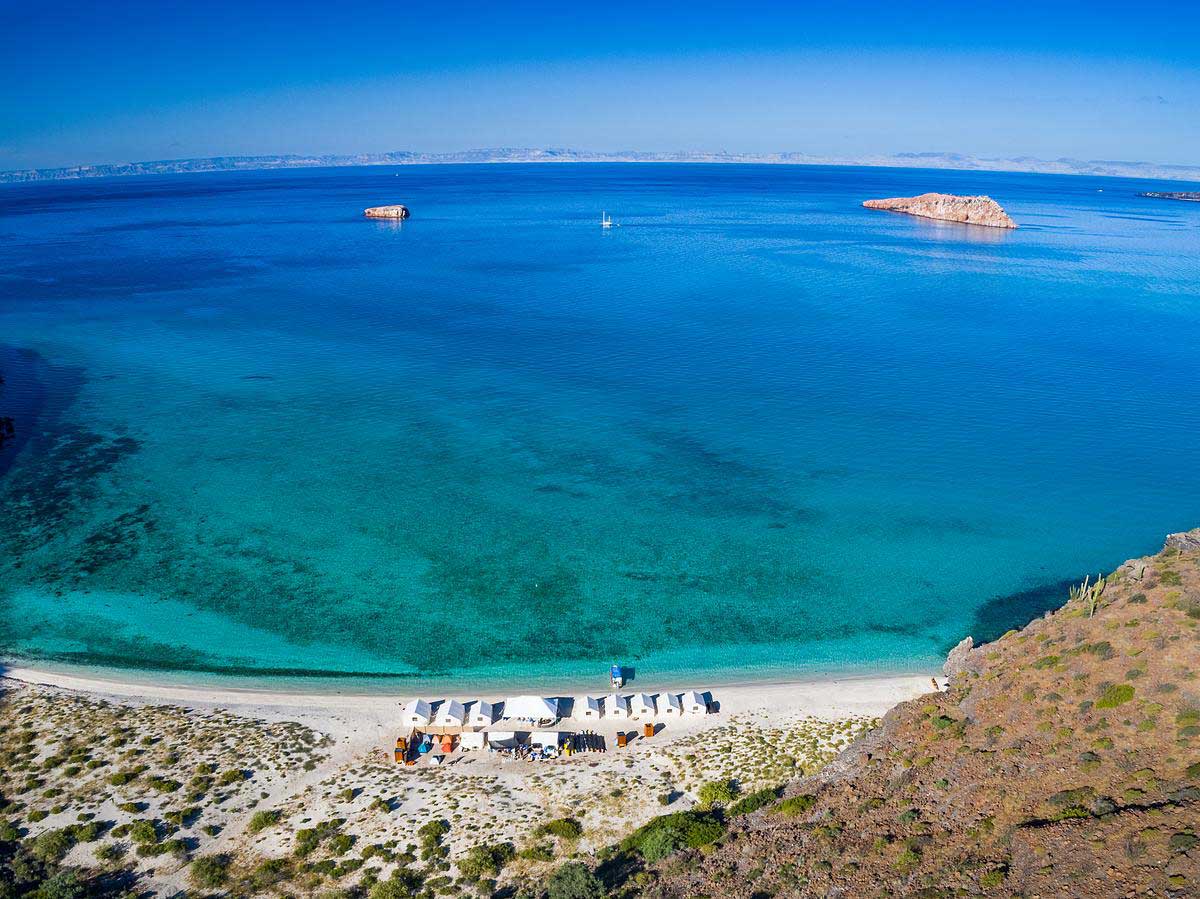
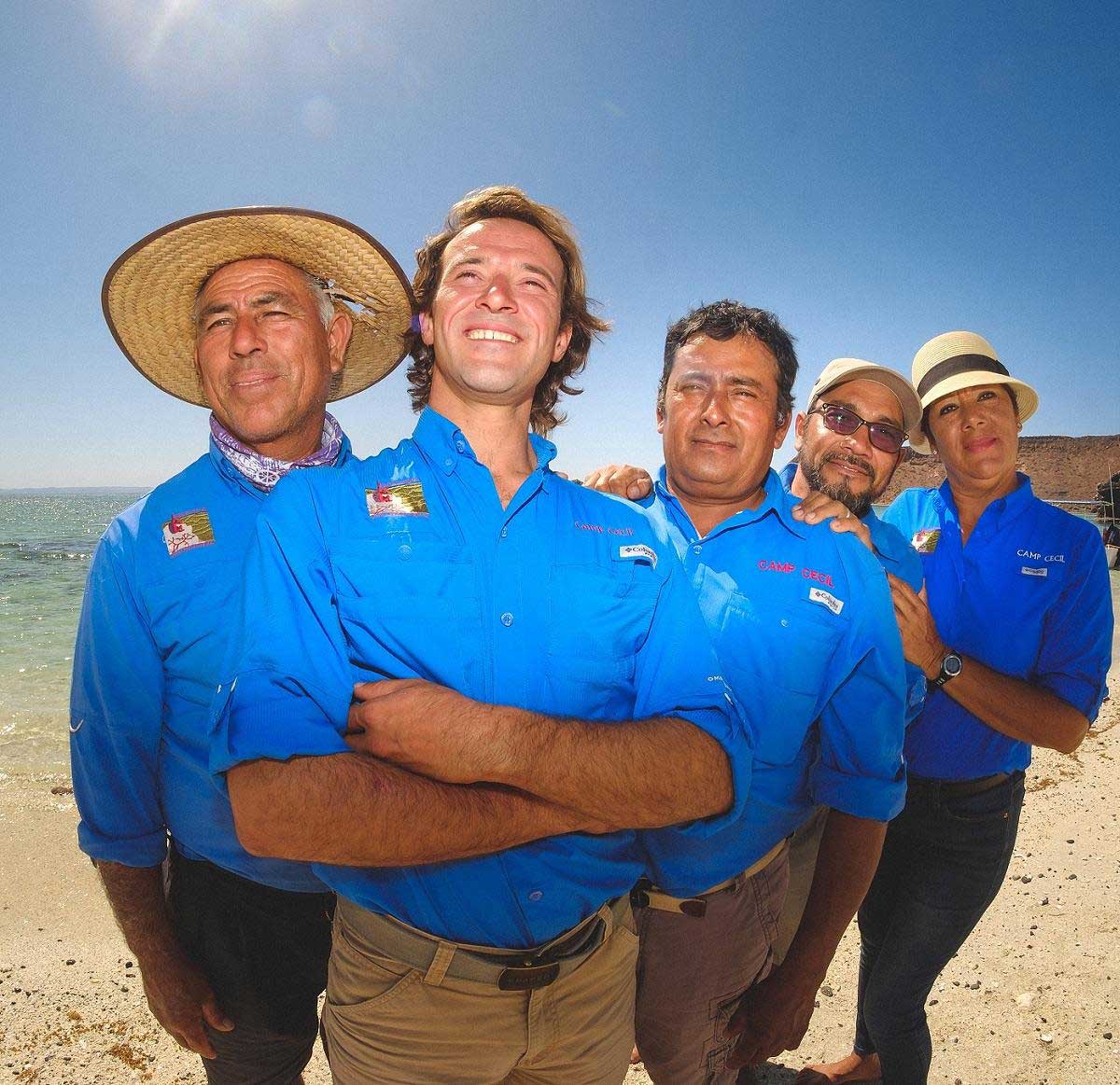
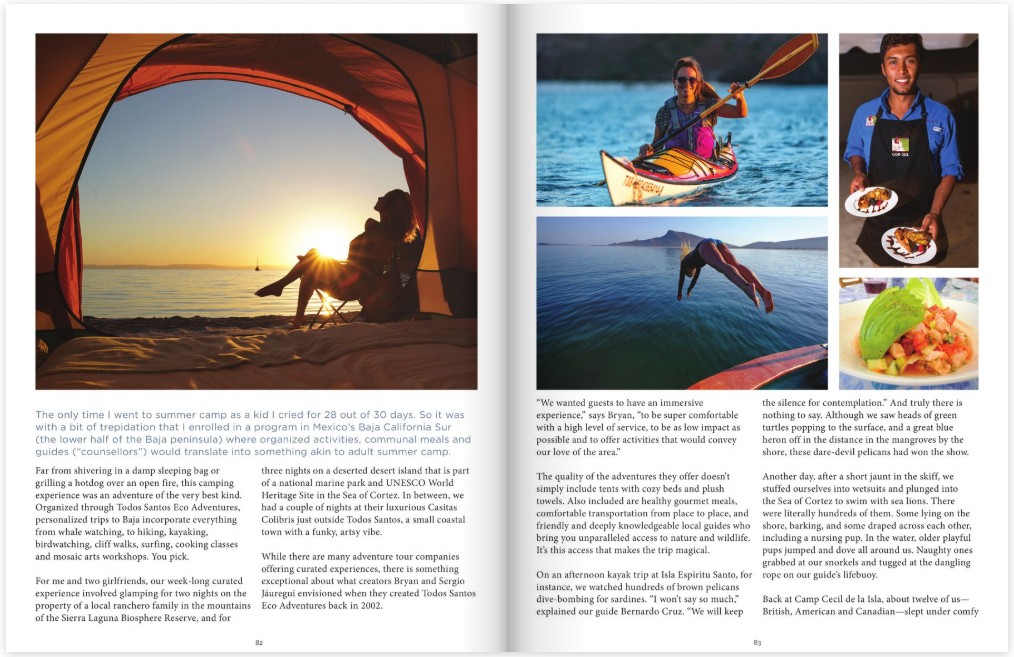
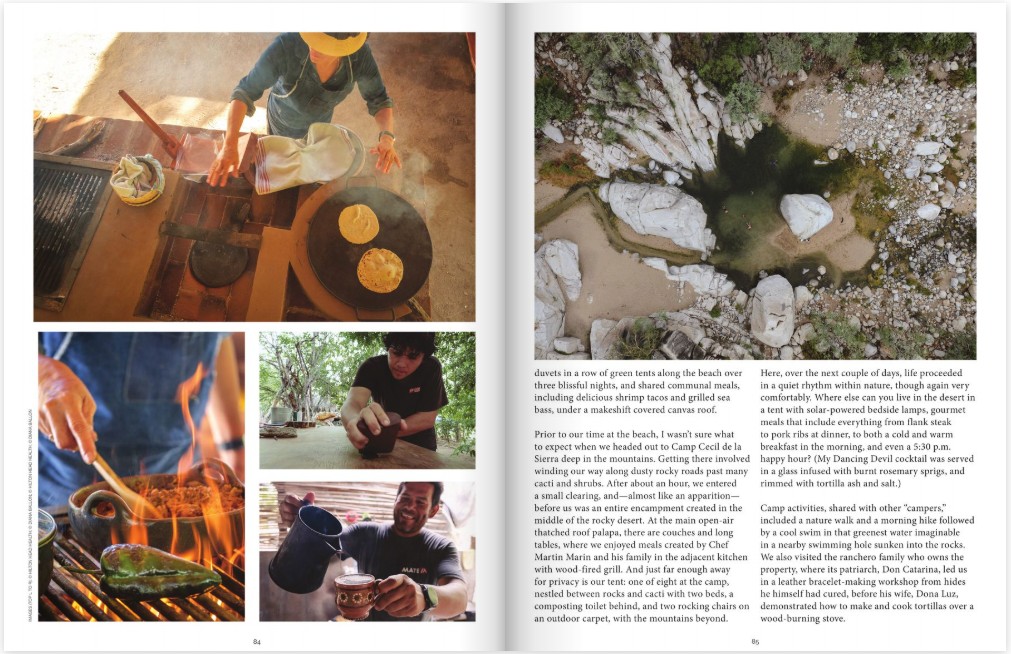
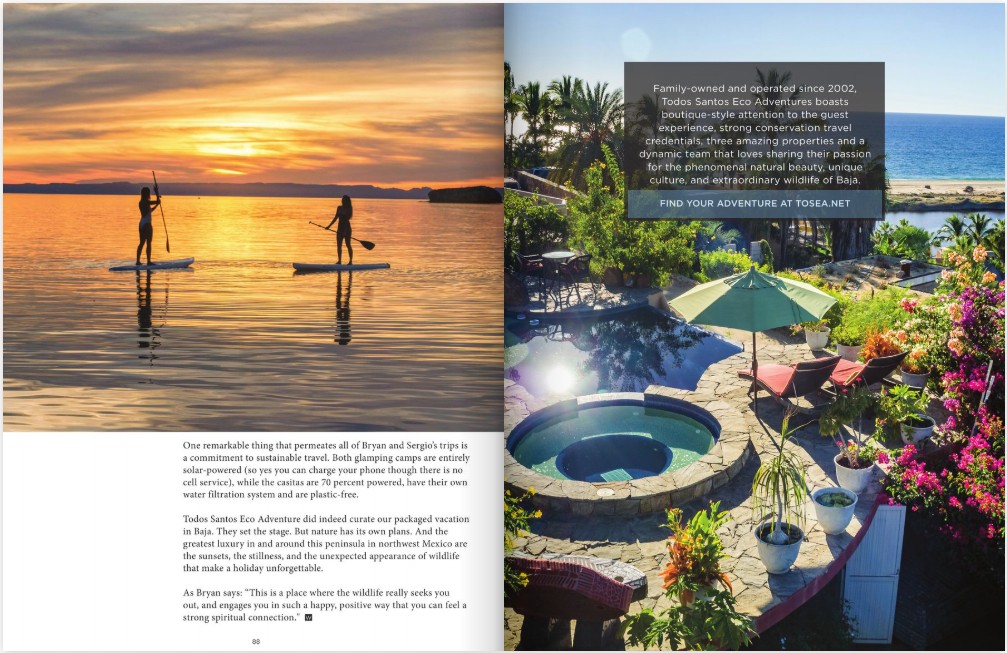
If you’re loving your time on Island Espiritu Santo, consider a glamping adventure with Todos Santos Eco Adventures’ Camp Cecil. Overlooking one of the uninhabited island’s most attractive beaches, the camp features cozy tents, an on-site chef, and drinks under the stars.

Photo by Cenz07/Shutterstock
7. Avoid major cruise ports
If you’re cruising around Mexico, steer clear of itineraries that stick to well-trodden ports like Cozumel or Cabo San Lucas. Instead, seek cruises that stop at lesser-known places such as Loreto, where you can kayak in the Sea of Cortez, or Progreso, a gateway to the Yucatan’s cenotes and ancient ruins.
By avoiding major ports, you’ll bypass crowds of disembarking passengers and enjoy a more relaxed, authentic vibe. Smaller coastal towns and islands like La Paz or Huatulco offer scenic beaches and seafood to rival the big-name spots like Puerto Vallarta or Cabo San Lucas—without the chaos.