


A bucket list glamping adventure in La Paz, Mexico
Robin Esrock swaps Cabo’s mega-resorts for marine life, desert ranches and off-grid coastal camps
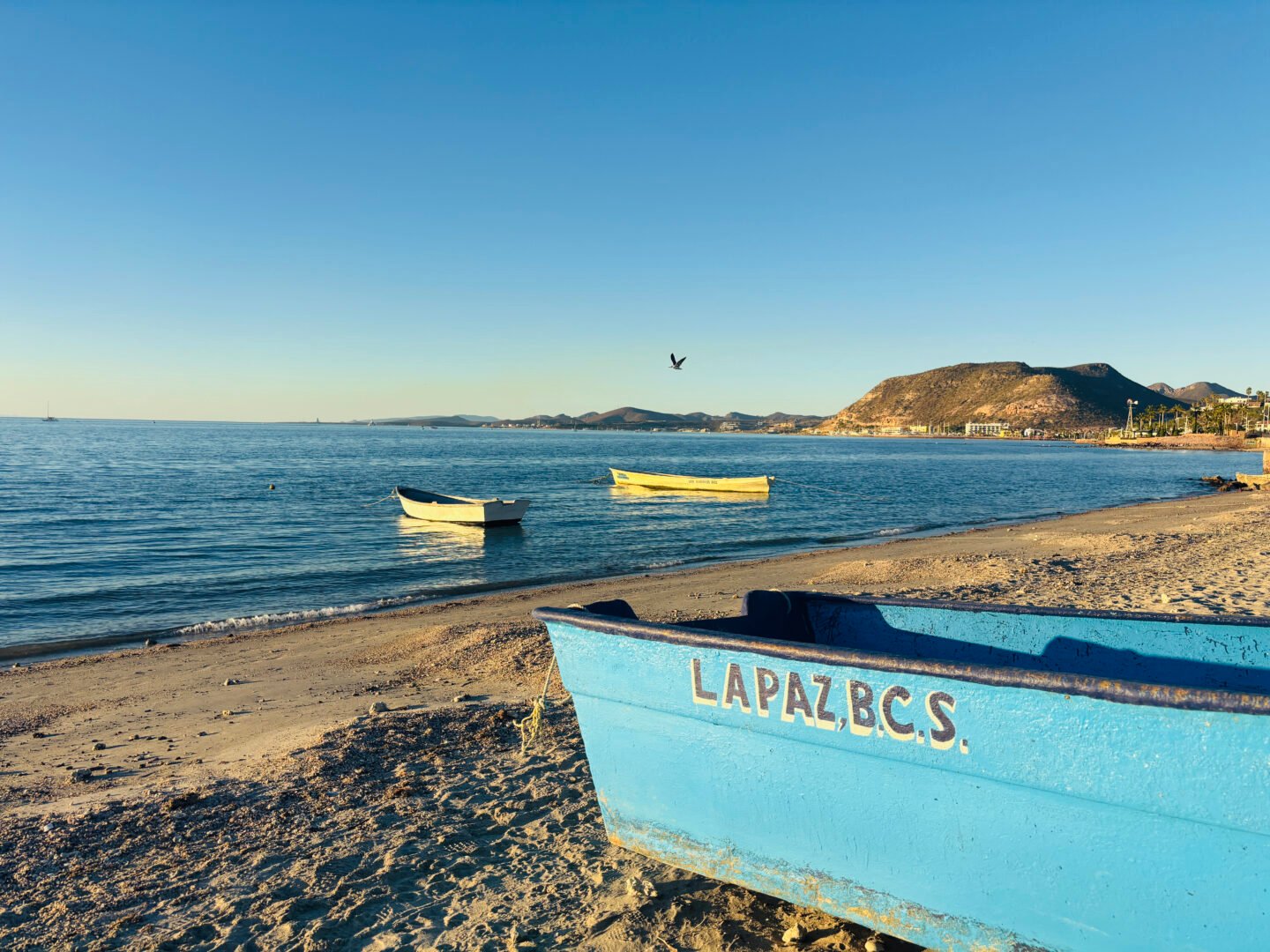
It took less than 24 hours for La Paz to become my favourite city in Mexico — a realization that came while savouring the glow of another reliable sunset on the Malecon.
A two-hour drive north from the spring break resort hotspot of Cabo San Lucas, we’d left mega resorts, chain stores and aggressive timeshare touts behind for a different experience of Baja California Sur.

In La Paz, the state’s resurgent capital on the shores of the Sea of Cortez, the lifestyle sells itself. Cars stop for pedestrians crossing the five-kilometre-long seafront boulevard, lined with restaurants and stores, benches, gardens, marine-themed statues and dedicated running and biking lanes. A chilled margarita blend of locals, expats and tourists imparts a relaxing atmosphere you simply won’t find in the flop-n-drops of Cancun, Puerto Vallarta or Acapulco.
Luxury camping — aka “glamping” — has become a popular travel trend in recent years. But given the number of glamping experiences now on offer, Bryan Jauregui is unsure whether the catchphrase is still useful. Instead, the Louisiana transplant defines glamping as accommodation restricted by its terrain, with no permanent structures, no sewerage, and no access to the grid.
Together with her husband Sergio, Bryan co-founded Todos Santos Eco Adventures to pioneer outdoor adventure in Baja California Sur, curating a wide range of experiences, such as kayaking, hiking, birdwatching, coral gardening, sandboarding, cliff walking, surfing and whale watching, while upping the wow factor at three off-grid camps. This includes their latest endeavour, Camp Cecil de la Bahia, set on sprawling sand dunes overlooking the grey whale mecca of Magdalena Bay.

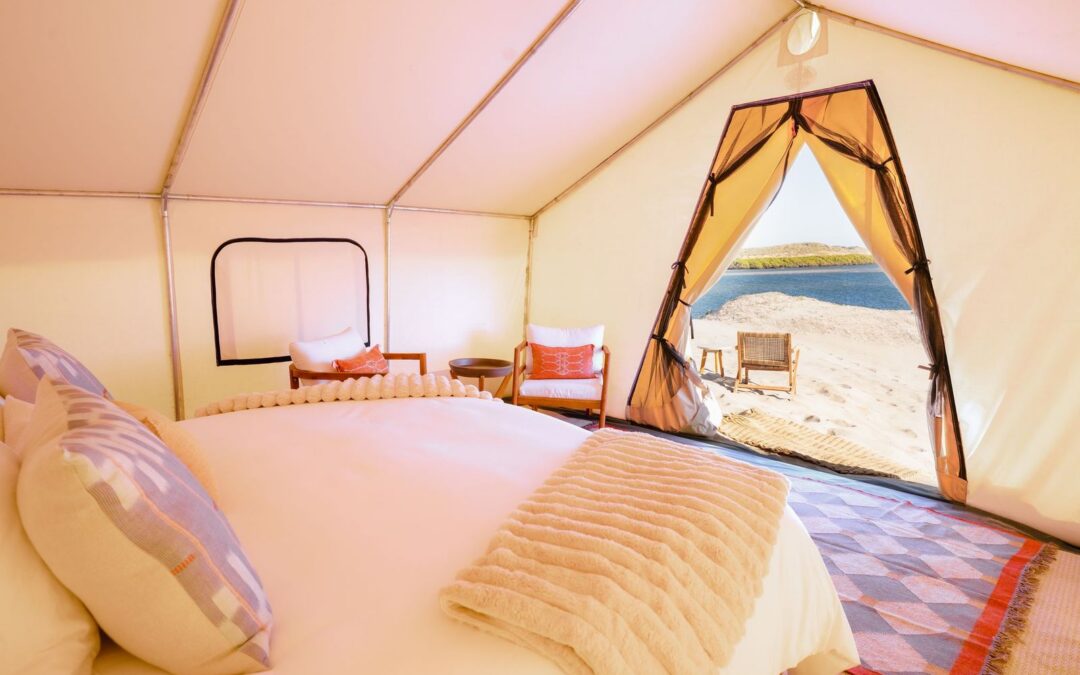
It’s a two-hour-plus drive north from La Paz on bullet-straight Highway 1 before we turn onto the bumpy dirt road to Cancún. Not the resort city of Cancún, 3,500 kilometres away in the Yucatán, but a tiny, namesake wood-shack fishing village primarily occupied by pelicans, cormorants, blue crabs and seagulls. Camp Cecil guests hop on a motorboat for a half-hour ferry to the dunes, where we are greeted by smiling staff, a cocktail, and large safari-style tents with a dazzling view.
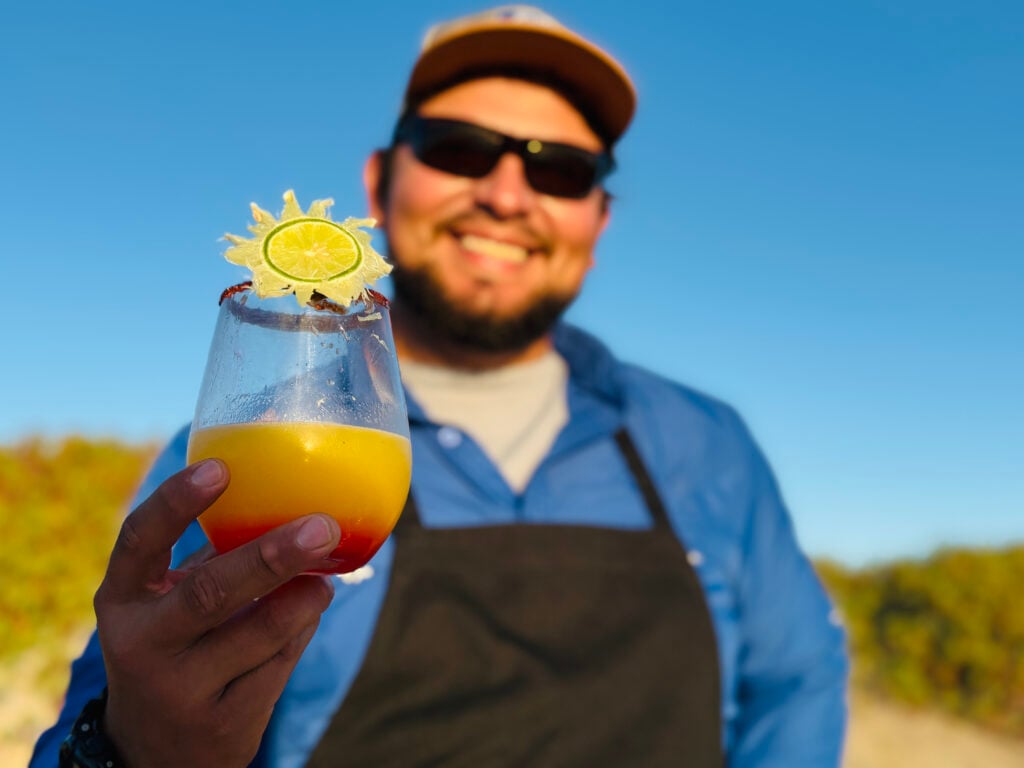
“Luxury here has always been the nature,” says Bryan, visiting to assess the inaugural season’s success. “To be in a place this beautiful and remote, you typically have to rough it and have serious camping skills. But here, you can bring your kids or your parents, enjoy an experience perhaps just outside your comfort zone, but celebrate at the end of the day with great food and a comfortable bed.”
We’re shown to our gorgeous safari-style tent with thick duvets, plush carpets, elegant décor, and an ensuite bathroom with a foot-pump-operated sink and a compost latrine. Within minutes, my daughter wanders off, and I’m a little worried when I can’t find her. “I was just following coyote footprints to a massive beach beyond the dunes,” is her excuse, warming my heart to see an adventurous apple falling very close to her father’s tree.
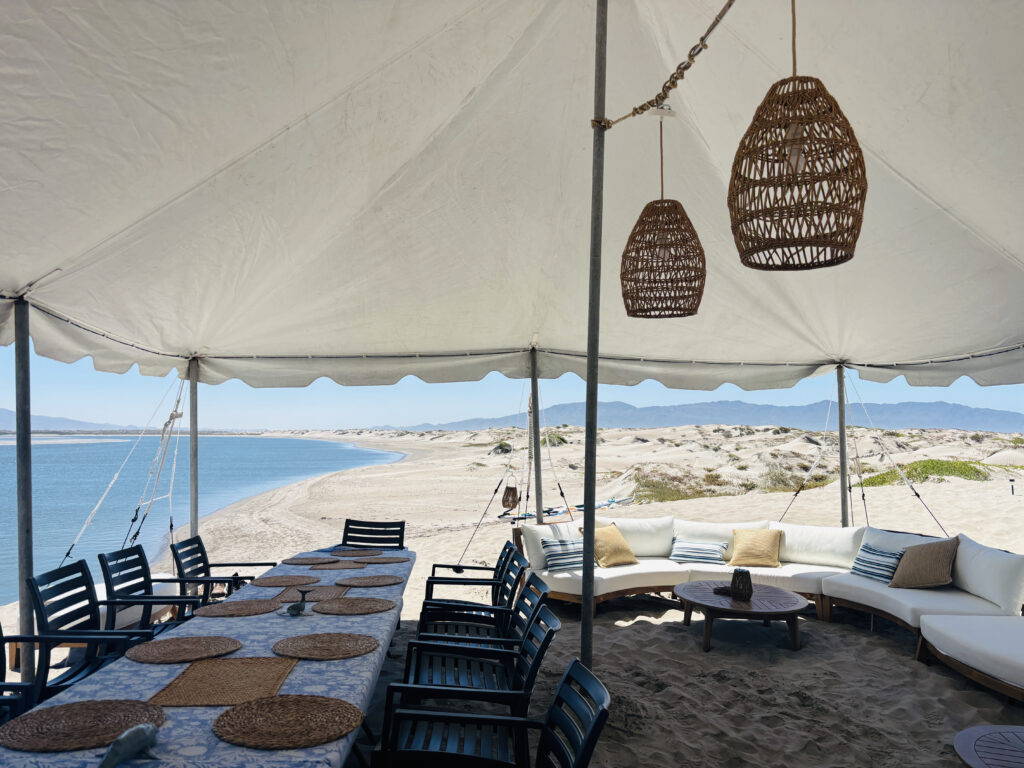
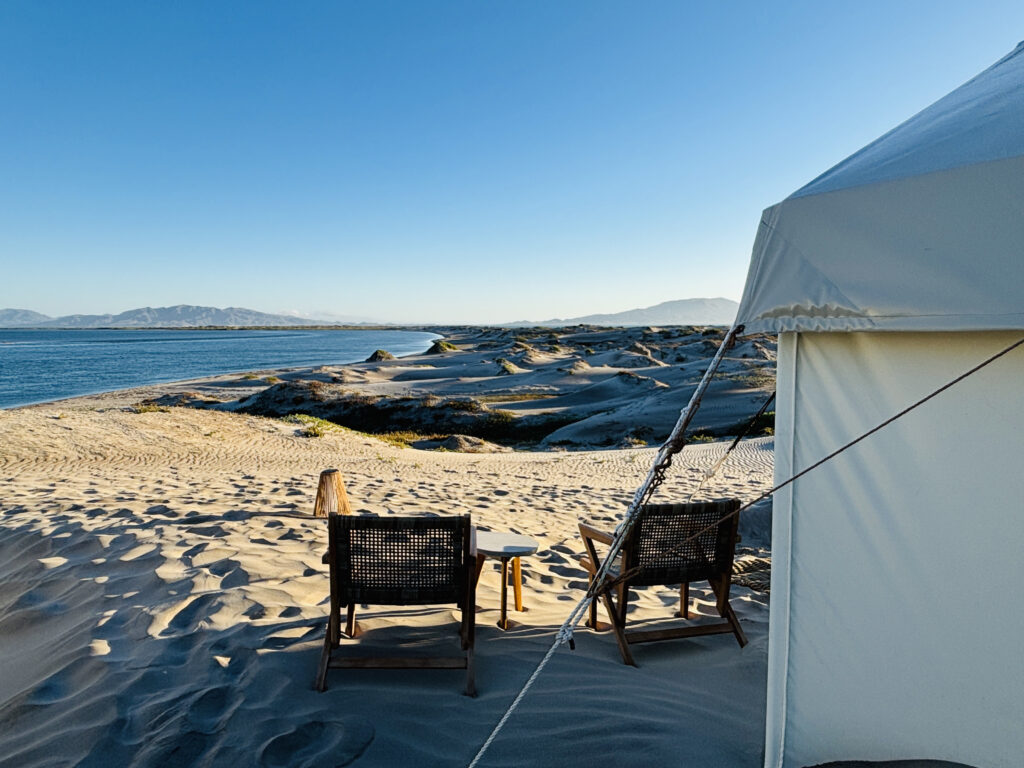
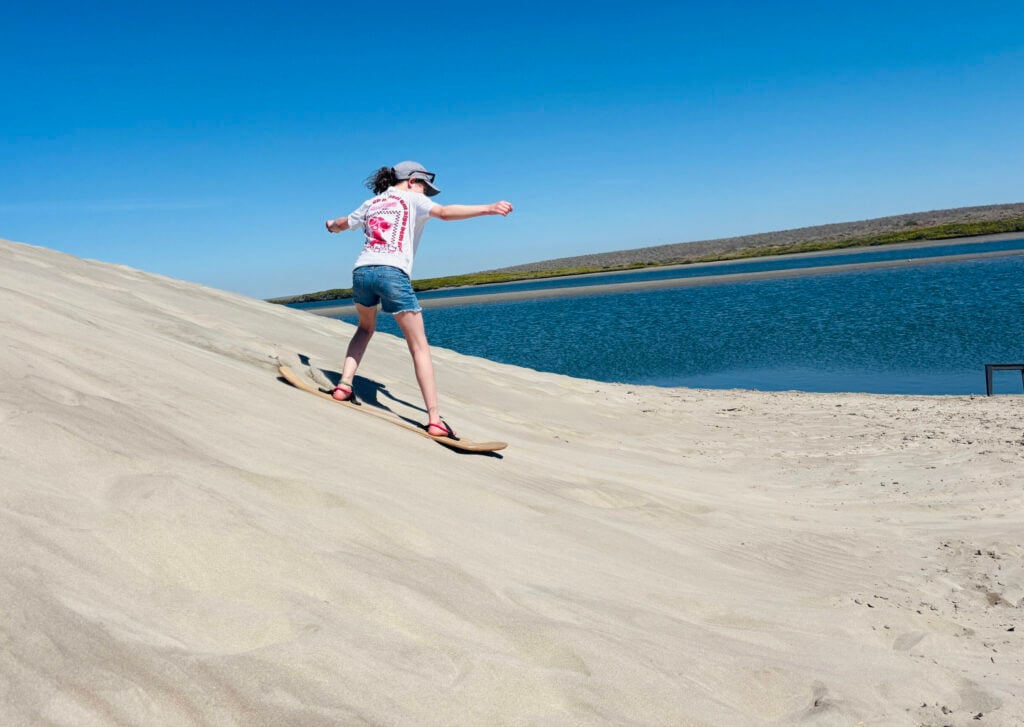
After an outstanding lunch of tuna sashimi tostadas and fresh guacamole, my daughter investigates bones and shells, triggers avalanches in the soft dunes, conquers the sandboards, and makes friends with a nine-year-old girl visiting with her family from Guadalajara. We paddle out in sea kayaks to explore nearby mangroves and sandbars, watching turtles breach as pelicans and osprey dive bomb for fish.
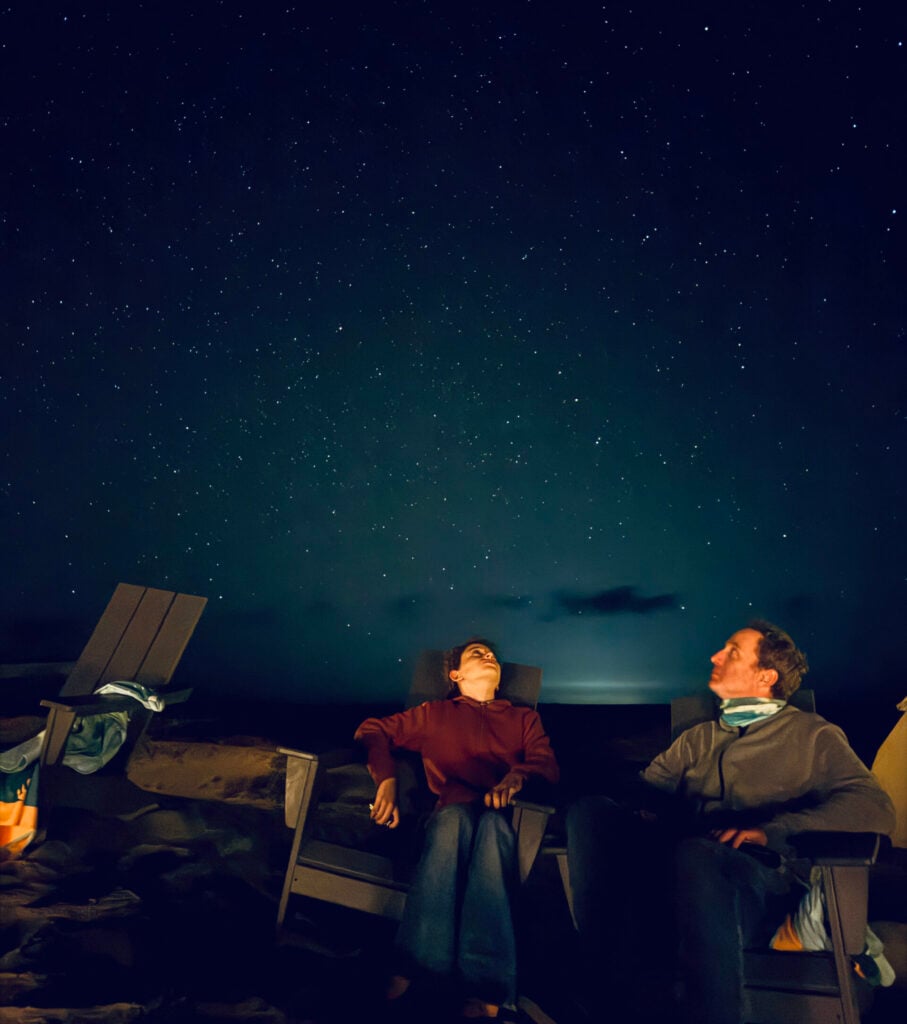
Returning to camp, we gather for cocktails on the beach and one of those epic sunsets that never sets in your memory. A locally caught lobster dinner, sourced from another fishing village, is followed by sensational stargazing, enthusiastically led by Sergio, who draws on his deep knowledge of myth and story. The girls dip their toes in the dark waters of the lagoon and gasp at shimmering bioluminescence mirroring the stars above. You remember days like this for a lifetime.
That Camp Cecil delights a nature lover’s imagination is no accident. The Cecil in question is Cecil Kramer, an Emmy Award-winning animation producer with credits that include Wallace & Gromit and Shrek. A close family friend of the Jaureguis, Cecil takes on each glamping site as a passion project, designing the interiors, layout, and ensuring an overall sense of wonder for all ages. Close encounters with a curious, spy-hopping grey whale in Magdalena Bay is the camp’s major draw, which is why the season runs January to March.
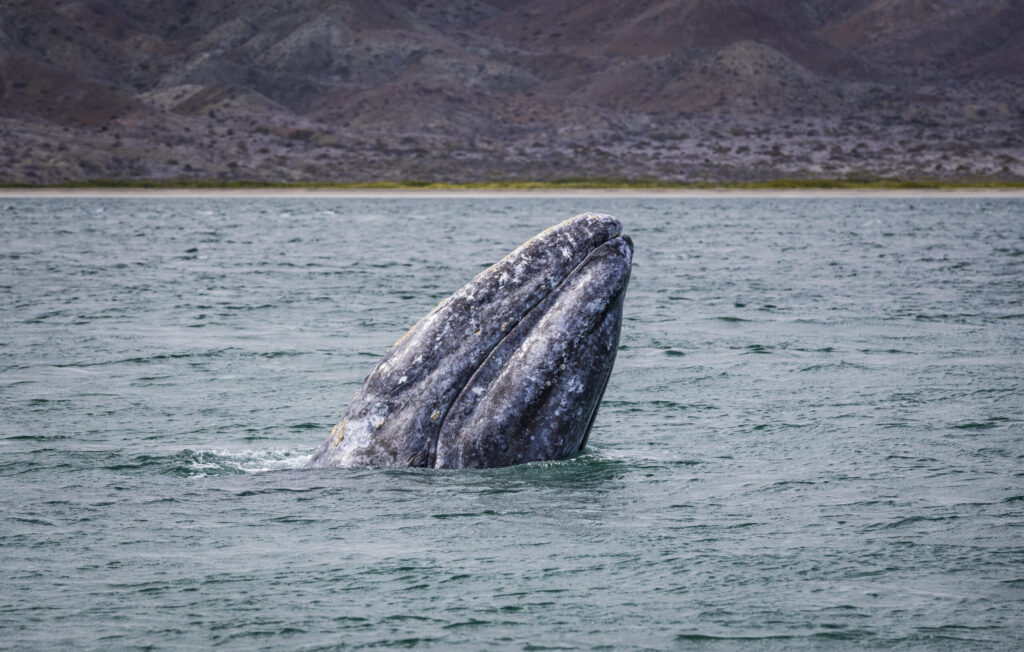
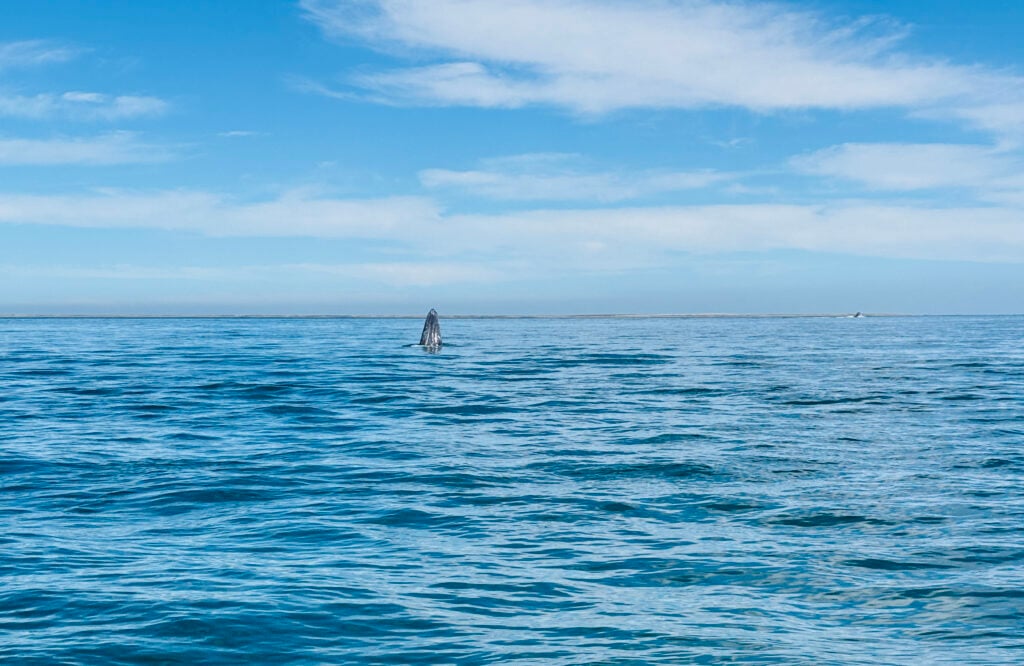
We spot the last few grey whales in the bay before they begin their great migration to their northern feeding grounds, undertaking one of the longest migrations of any mammal on the planet. It will take a week or two for Bryan’s team to strike camp, after which all signs of its existence will dissipate like fine sand in the onshore breeze. At least until next season, when the shifting dunes will host a new version of Camp Cecil de la Bahia. I implore Bryan and Sergio to extend next year’s season for us Canadian spring breakers. Whales or no whales, being comfortably immersed in this kind of remote coastal beauty is one for the bucket list.




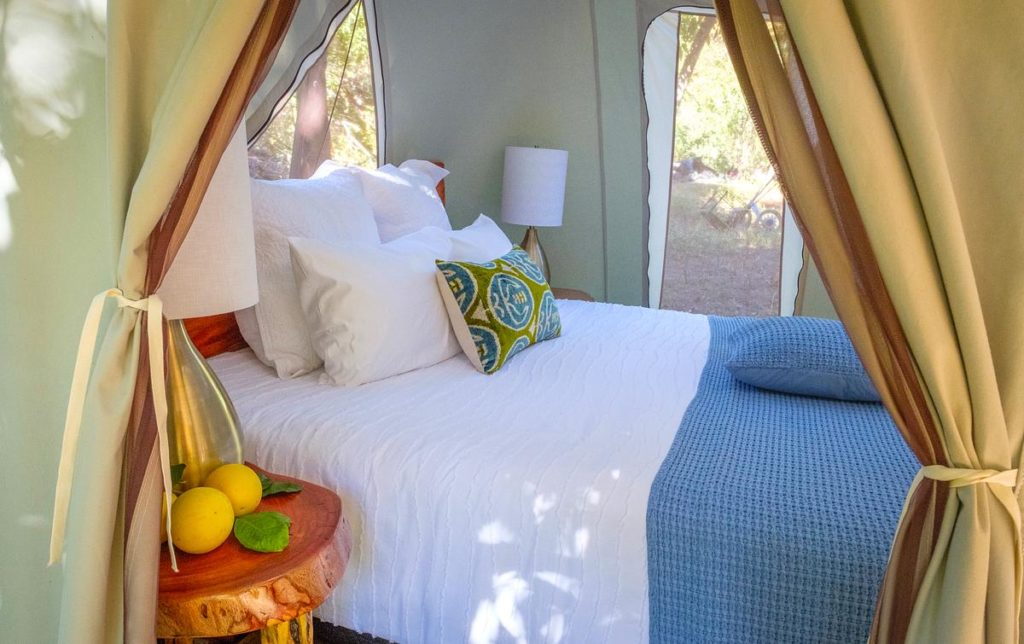 From the airport in San Jose del Cabo we drove about 75 minutes, the last half hour on windy roads through the desert and then into the mountains. Eventually, we turned off in a clearing and discovered an open-air palapa with comfy sofas and a long table where-minutes later-a delicious grilled chicken lunch appeared. Bryan had told me, “A lot of people don’t even know that Baja has mountains, nor that it has a strong ranch culture, with ranchers that are great, great grandpas of the American cowboy.” Admittedly, this mountain ranchero experience was also new for me to discover. Following lunch, we were shown to our tents. Ours was nestled between rock with the long spiky arms of the cardon cactus and two rocking chairs in front, a compost toilet behind and cozy beds with solar-powered bedside lamps inside.
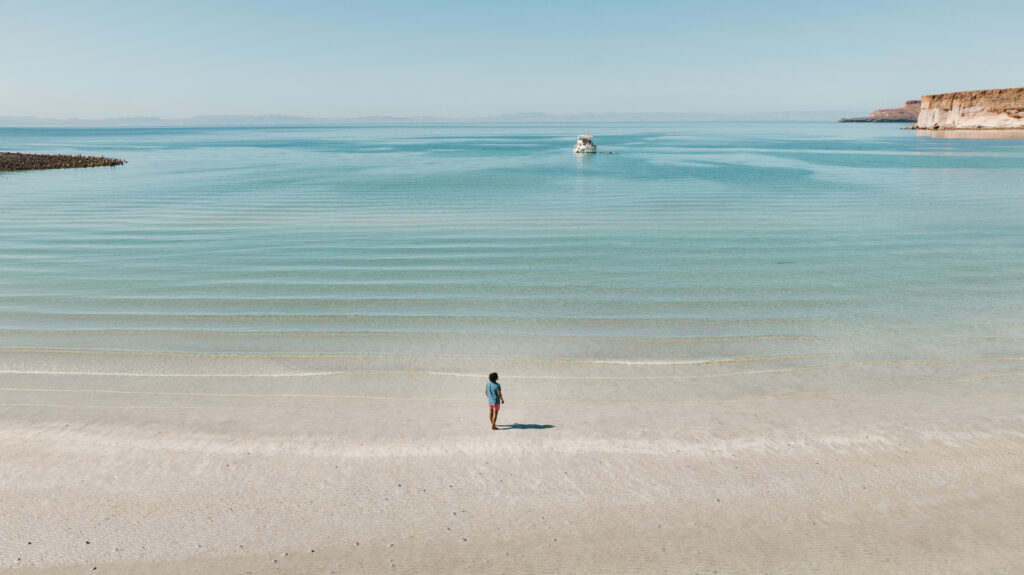
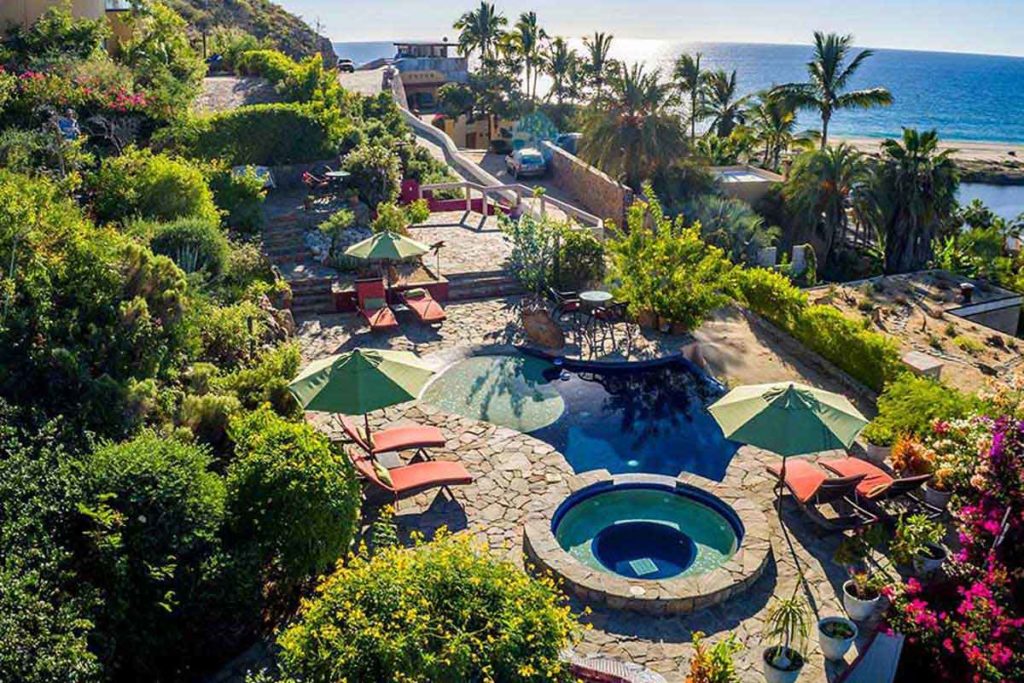 Another day, we enjoyed a taco tour with Sergio to three local taco joints in the town of Todos Santos about a five-minute drive away. Then he gave us a detailed historical tour of the village, an artist’s colony filled with galleries and shops showcasing its pottery, silver jewellery and clothing, as well as funky restaurants. Our final adventure and grand finale was glamping on Isla Espiritu Santo, an hour’s boat ride from La Paz on the eastern side of the peninsula. I didn’t know what to expect, having heard that new park rules require any campsites to move every two to three days. But any potential logistical nightmares were not at all apparent. As we approached land, we saw green tents lining the beach and a dining tent with a long communal table next to the kitchen where we were to experience amazing meals cooked entirely on a three-burner stove!


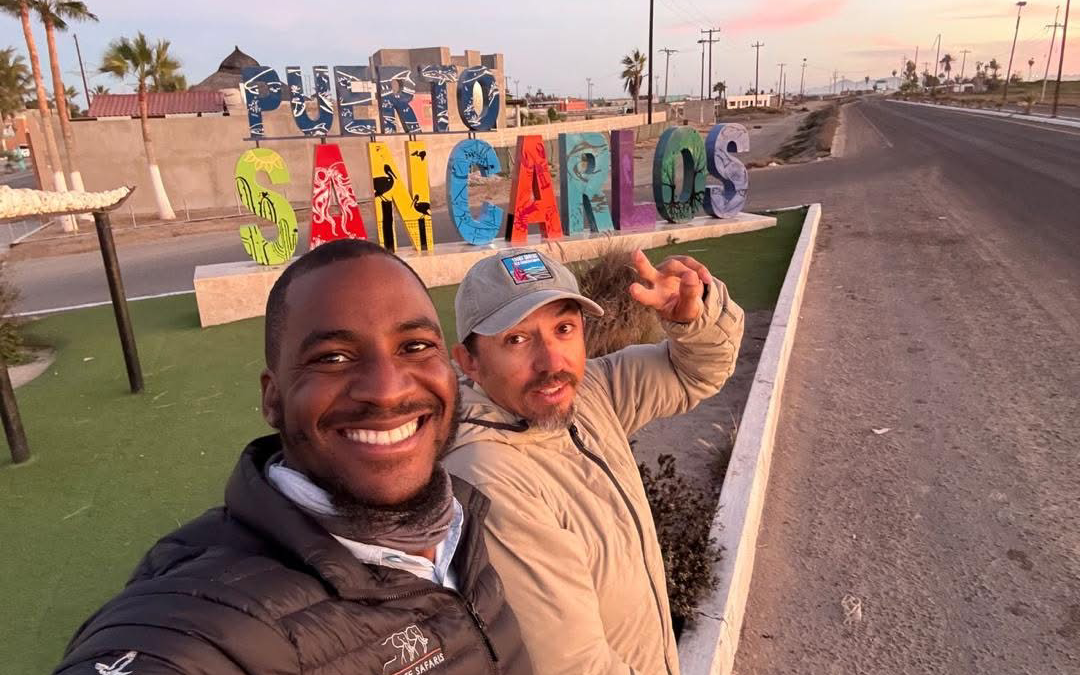
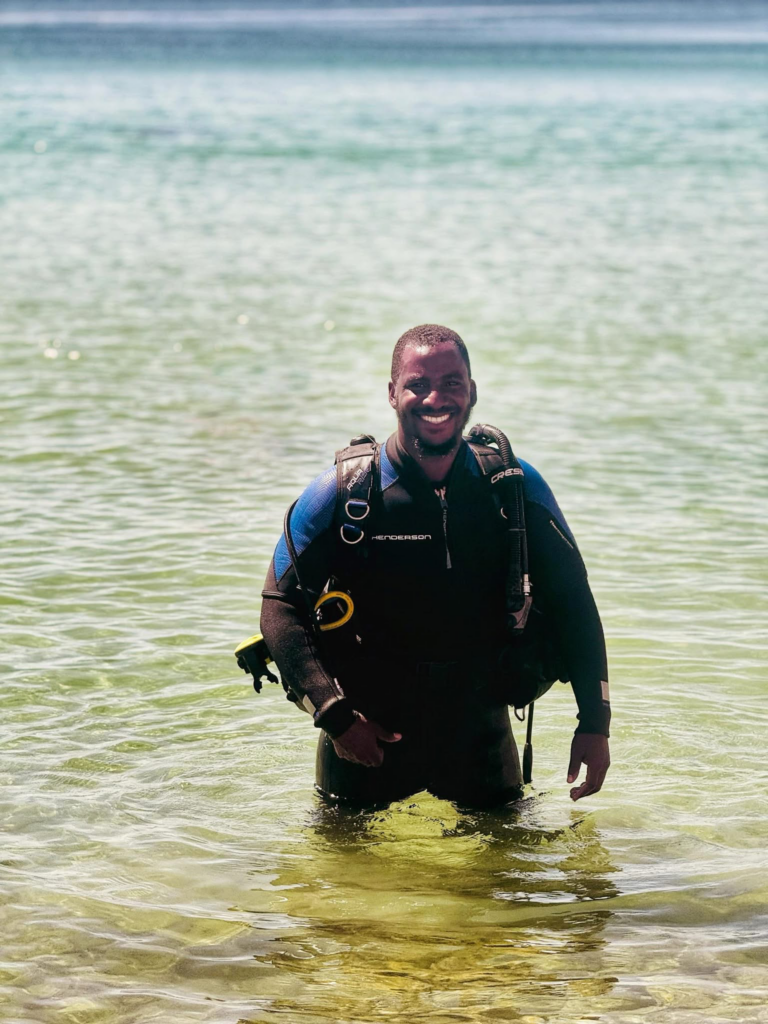 This year, Jason Nengola, Ultimate Safaris’ 2024 Ultimate Guide of the Year, travelled to Baja California, Mexico, for a three-week immersion experience with Todos Santos Eco Adventures. The exchange underscores a shared mission between the two companies: to empower guides, foster cross-cultural conservation practices, and celebrate the ecosystems they passionately protect.